


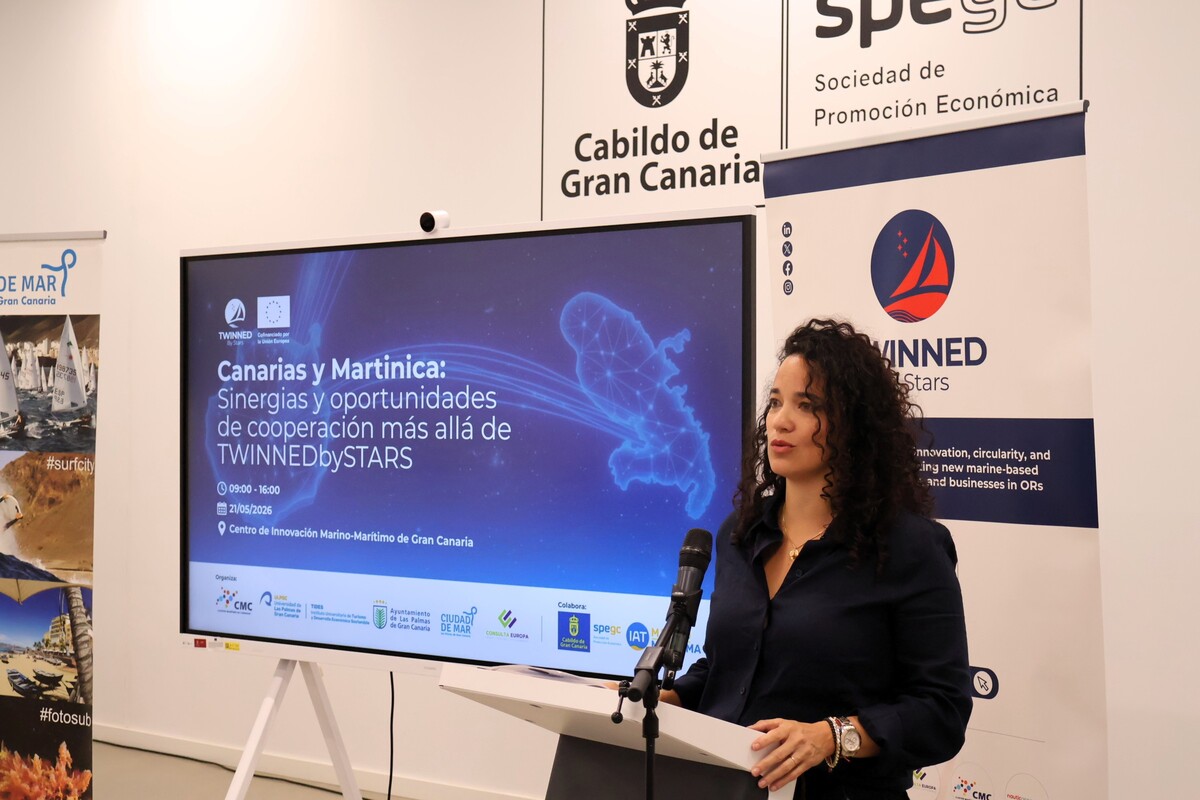
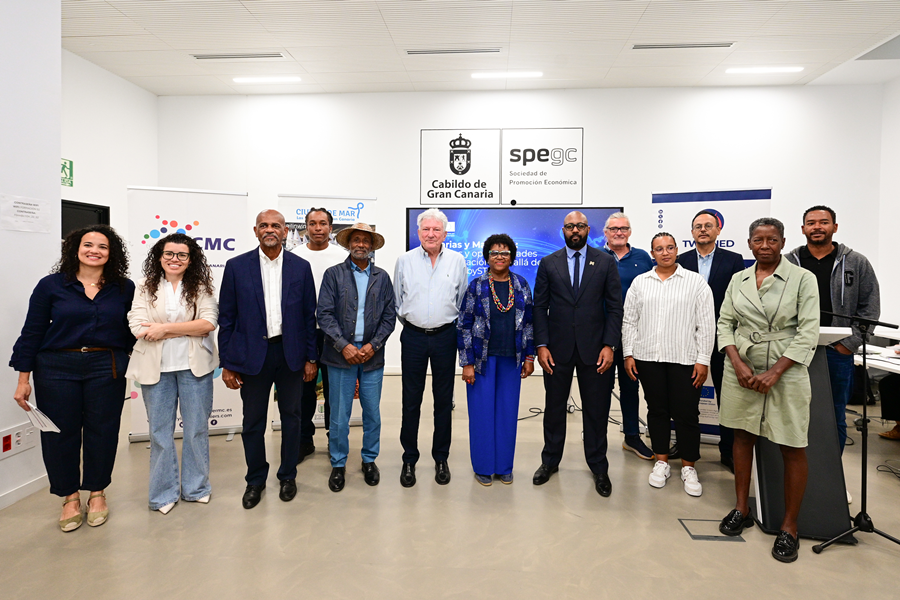
Martinique and the Canary Islands have strengthened their cooperation on the blue economy, marine ecotourism, and innovation during a pre-FIMAR 2026 meeting in Las Palmas de Gran Canaria, held under the TWINNEDbySTARS project on May 21, 2026.
The gathering, led by the Maritime Cluster of the Canary Islands and the University Institute of Tourism and Sustainable Economic Development (TIDES) from the University of Las Palmas de Gran Canaria (ULPGC), brought together public authorities, researchers, businesses, and cluster organisations from both outermost regions at the Marine-Maritime Innovation Centre of Gran Canaria, with Martinique taking part as a guest territory.
The event was organised with the support of the Cabildo de Gran Canaria, the Society for Economic Promotion of Gran Canaria (SPEGC), the City of Las Palmas de Gran Canaria’s Ciudad de Mar unit and the Marine-Maritime High Technology Incubator.
Cooperation across the Atlantic
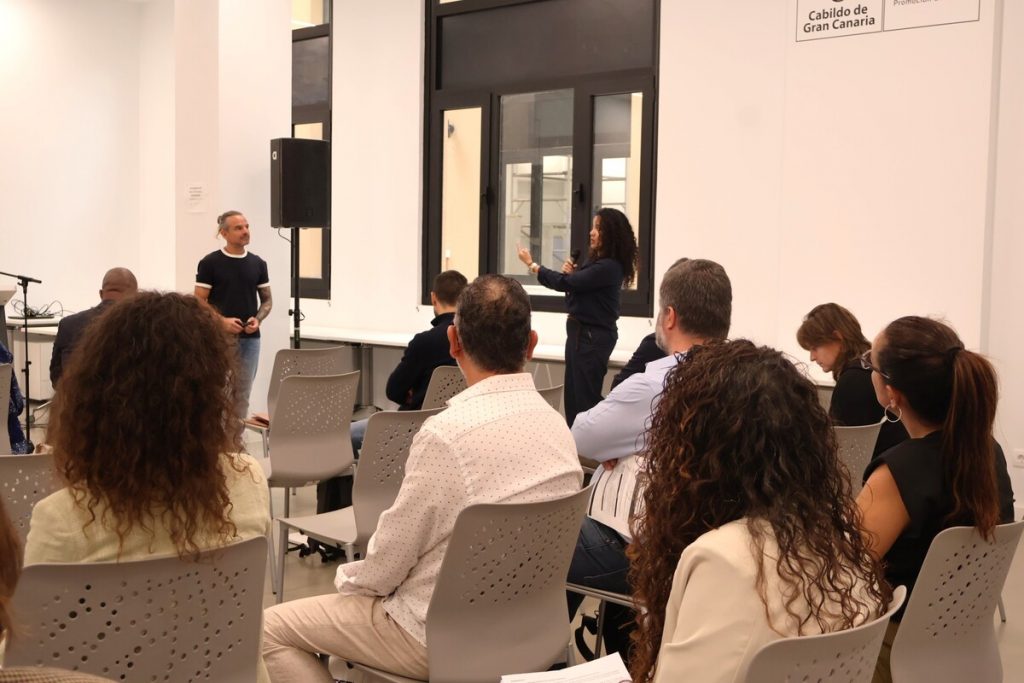
Speaking at the opening, Pedro Quevedo, councillor for City of the Sea and Tourism, said Martinique’s presence offered “two very interesting views over a broad space such as the Atlantic” and stressed the value of exchanging experience between the two territories.
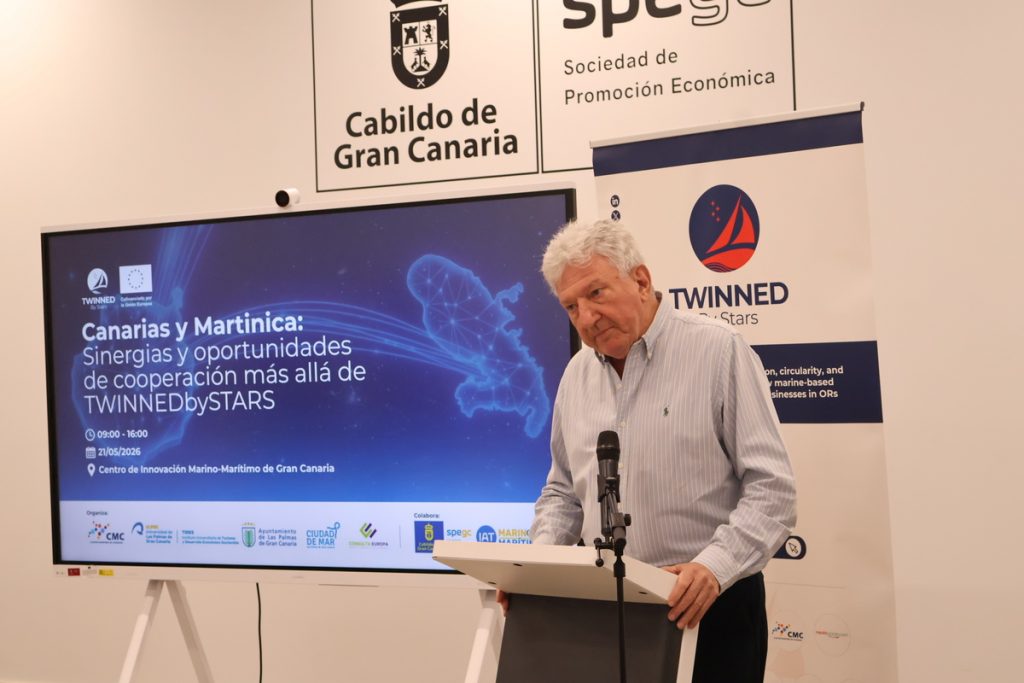
He said Canary Islands partners could “share a great deal of experience” with Martinique and recalled that this cooperation had already been built through TWINNEDbySTARS, a project focused on marine ecotourism, astrotourism and stronger links between outermost regions.
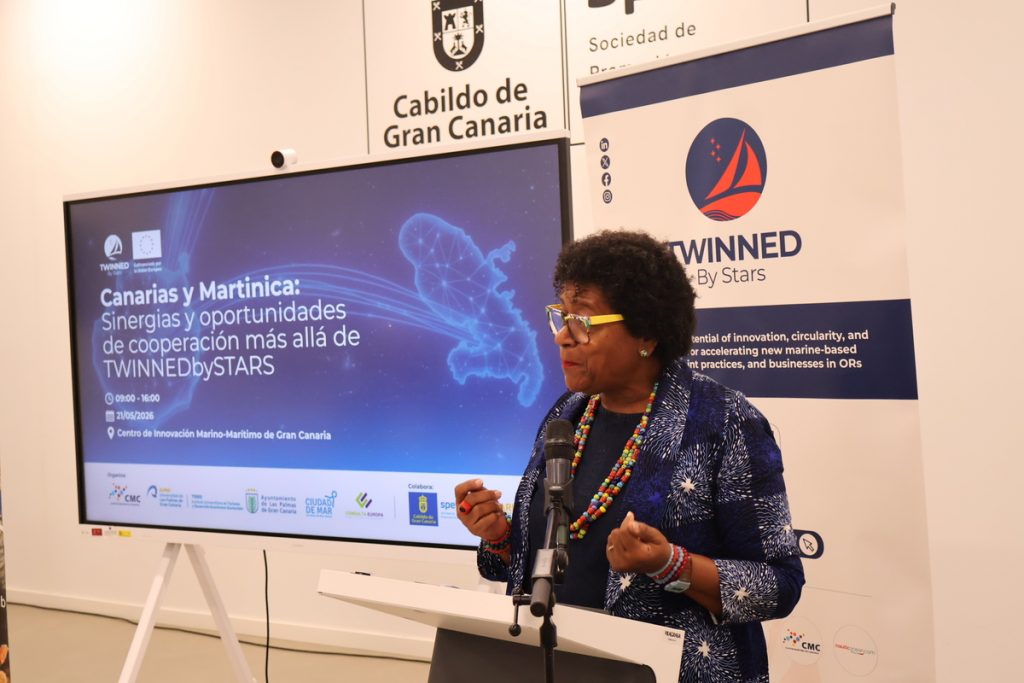
Patricia Telle, chair of the International Cooperation Committee of the Territorial Collectivity of Martinique, described the meeting as “an opportunity for innovation and scientific research” and “to undertake, with pragmatism, actions of collaboration between Martinique and the Canary Islands”.
A network approach
Mónica Quesada of the Canary Islands Maritime Cluster said the meeting reflected the project’s wider purpose of building lasting connections between companies, public bodies, academia and civil society.
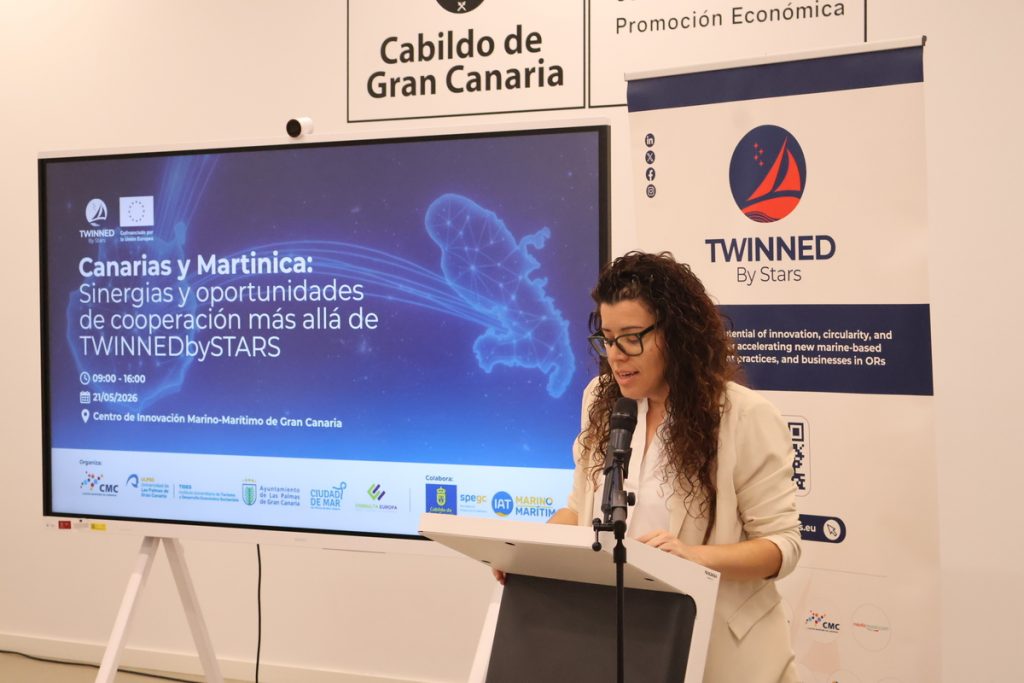
“For the Cluster, it is a satisfaction to host this meeting, the result of the collaboration we have maintained over these years in TWINNEDbySTARS,” she said.
She added that “the essence of our Cluster is precisely to connect with companies, public administrations, civil society and academia, to identify those common opportunities where we can cooperate and develop concrete projects”.
The cluster said the project had helped reinforce links between Atlantic regions, identify relevant actors and support joint initiatives that can improve the competitiveness of both territories.
Project focus
TWINNEDbySTARS is designed to strengthen cooperation networks in maritime and coastal tourism in the outermost regions while encouraging digitalisation, circularity and new business opportunities.
As part of its broader aims, the project seeks to strengthen cooperation networks, support stakeholder engagement, map relevant actors, and develop a shared internationalisation and legacy approach.
The project also aims to act as a bridge between business, public authorities, knowledge centres and civil society, helping partners develop common branding and long-term cooperation.
Programme and B2B meetings
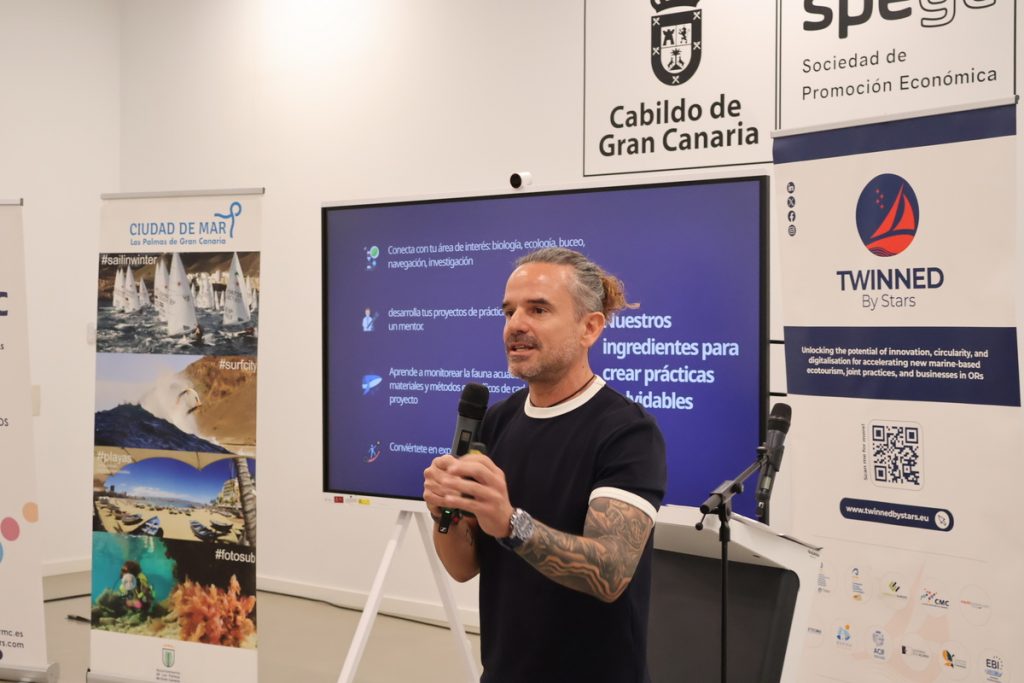
The morning programme included presentations on Martinique’s nautical and blue growth projects, the role of the blue economy in regional development, progress under TWINNEDbySTARS and the internationalisation of SMEs in outermost regions.
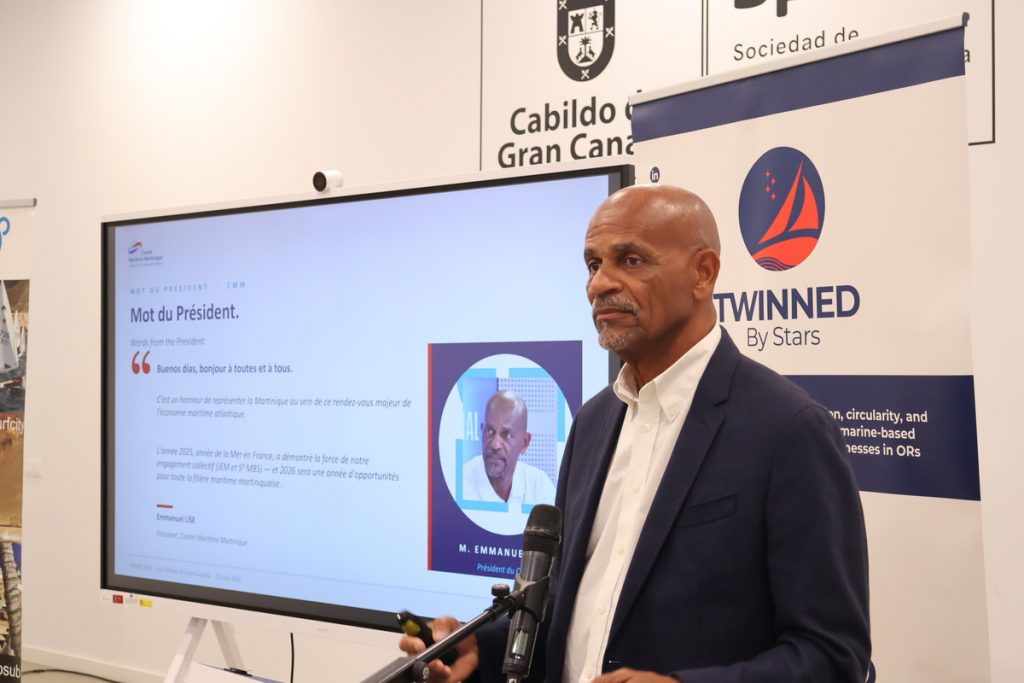
Alexandre Ventadour, president of Martinique Développement, set out current nautical projects in Martinique, while Emmanuel Lise of the Martinique Maritime Cluster outlined the role of the blue economy in the island’s development.
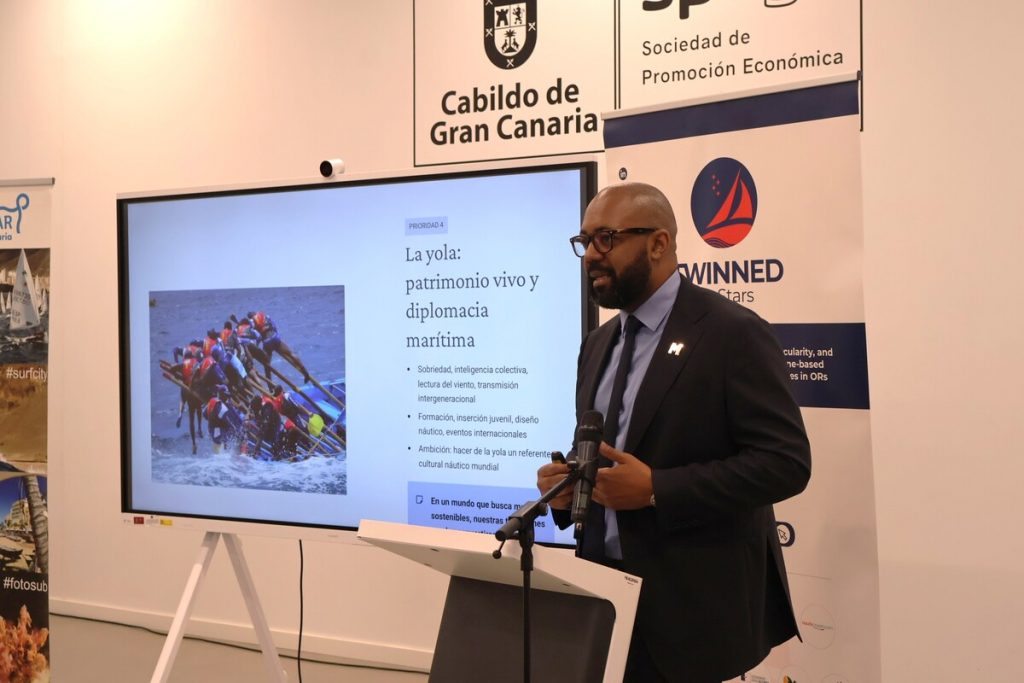
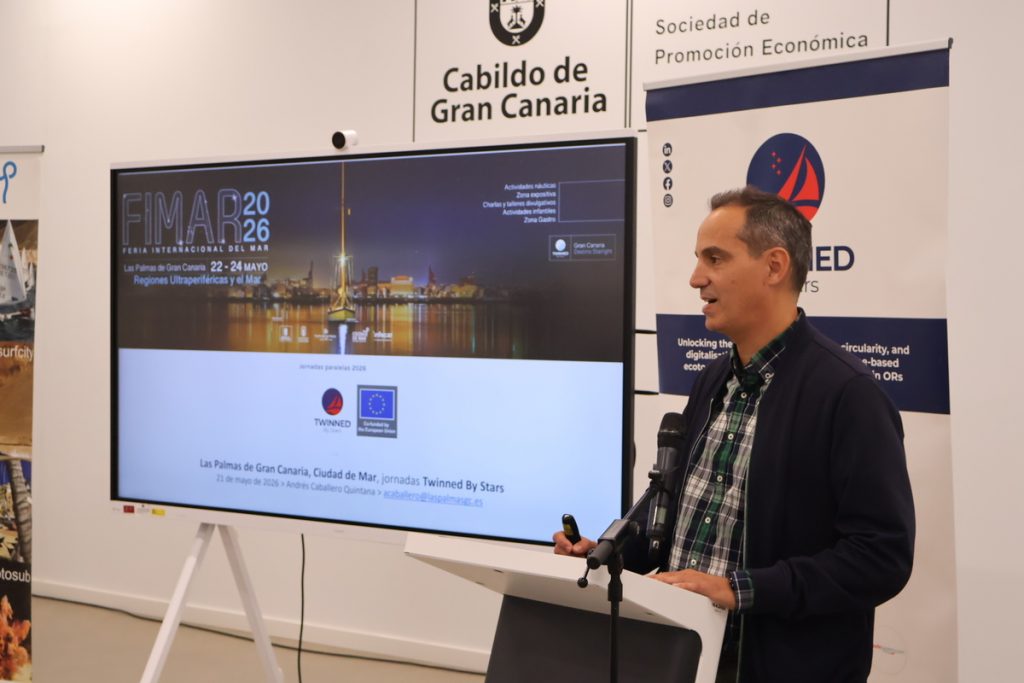
Andrés Caballero, head of the Technical Unit of Las Palmas de Gran Canaria’s City of the Sea, also took part in the programme, presenting the city’s maritime identity and its work to bring the sea closer to residents and visitors. He was followed by Yen E. Lam González of ULPGC-TIDES, the project coordinator, who outlined progress under the initiative, and then by Xavier Martínez of Océano Náutico and Misael Morales of Biosean, who spoke about thematic blue economy projects and their future potential and the promotion of the project’s tourism products: Atlantic Onboard Internships (AOBI) and Atlantic Star Adventures (ASA).
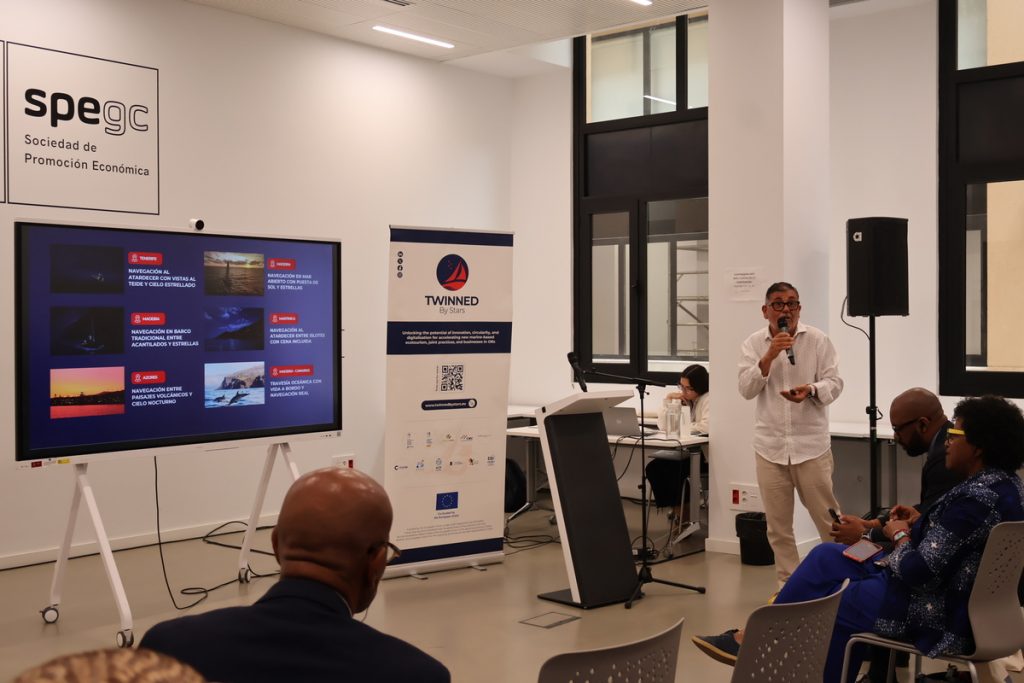
The day ended with B2B meetings between delegates from Martinique and the Canary Islands, including discussions on marine energy, shipbuilding, biodiversity, coastal protection, and other areas where new partnerships could emerge.
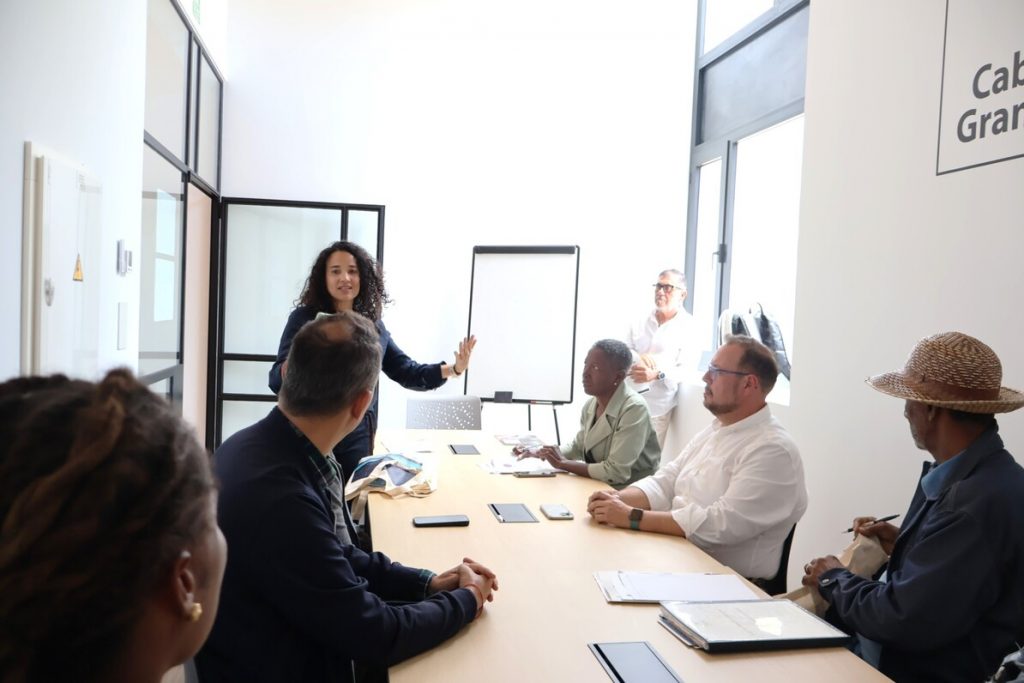
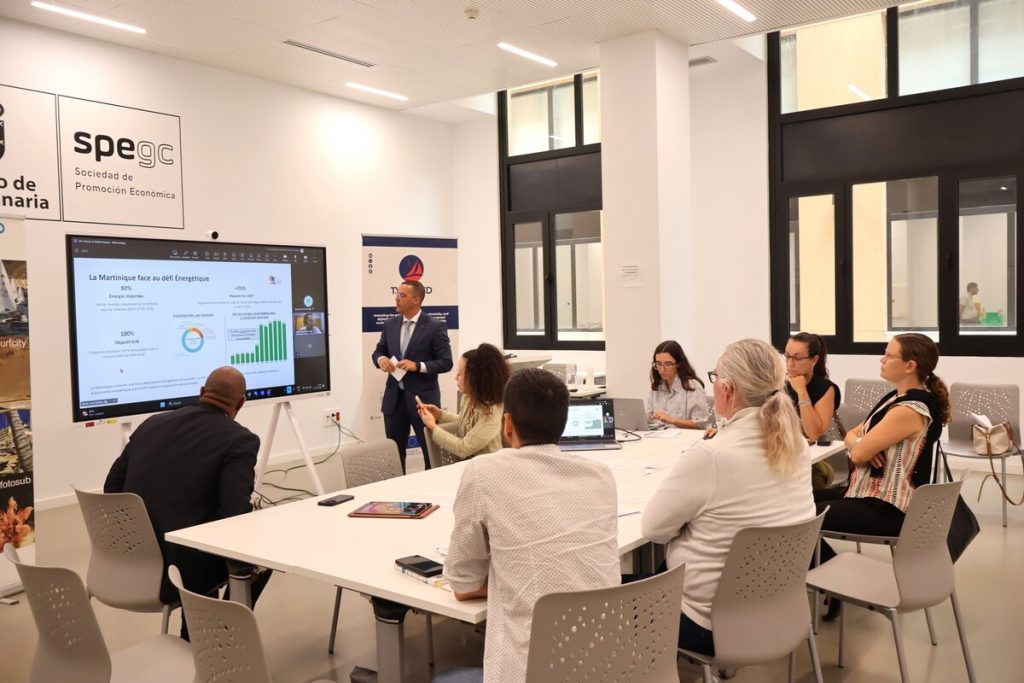
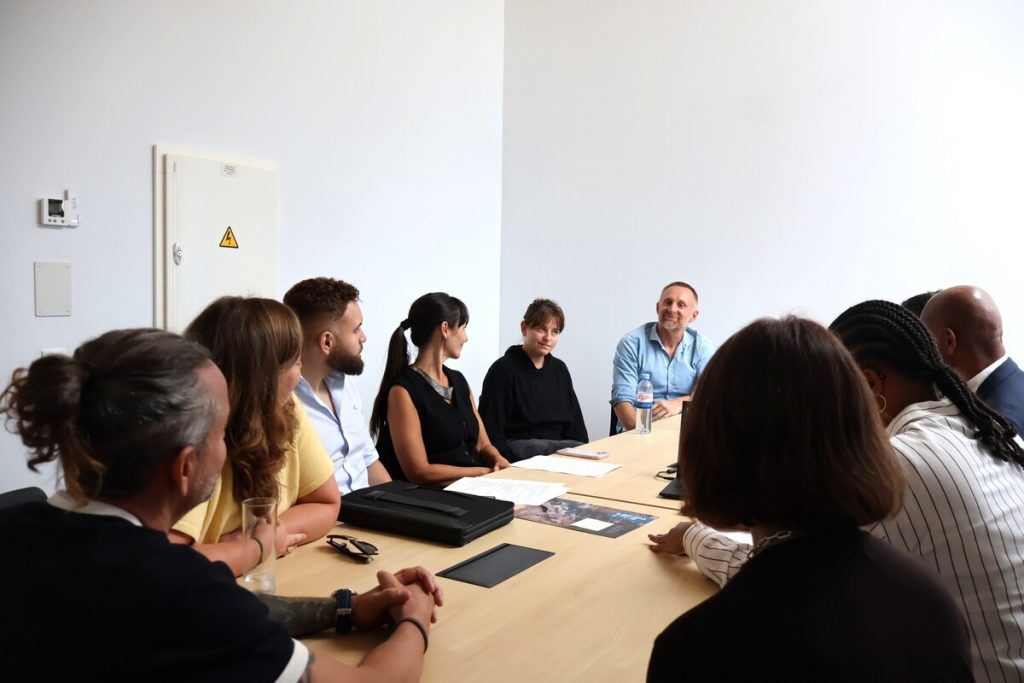
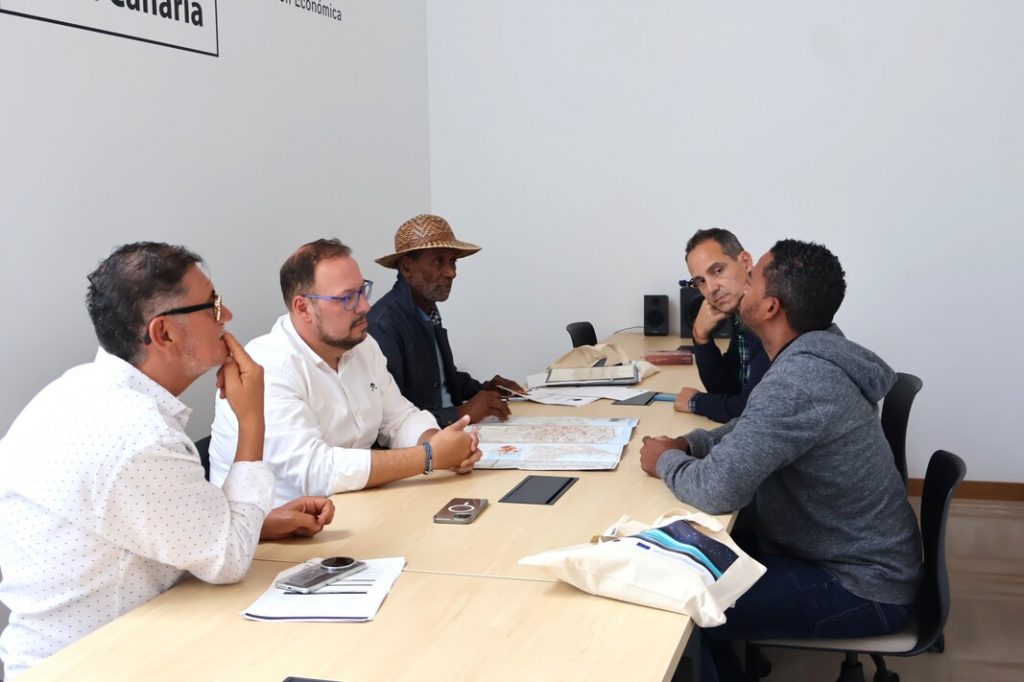
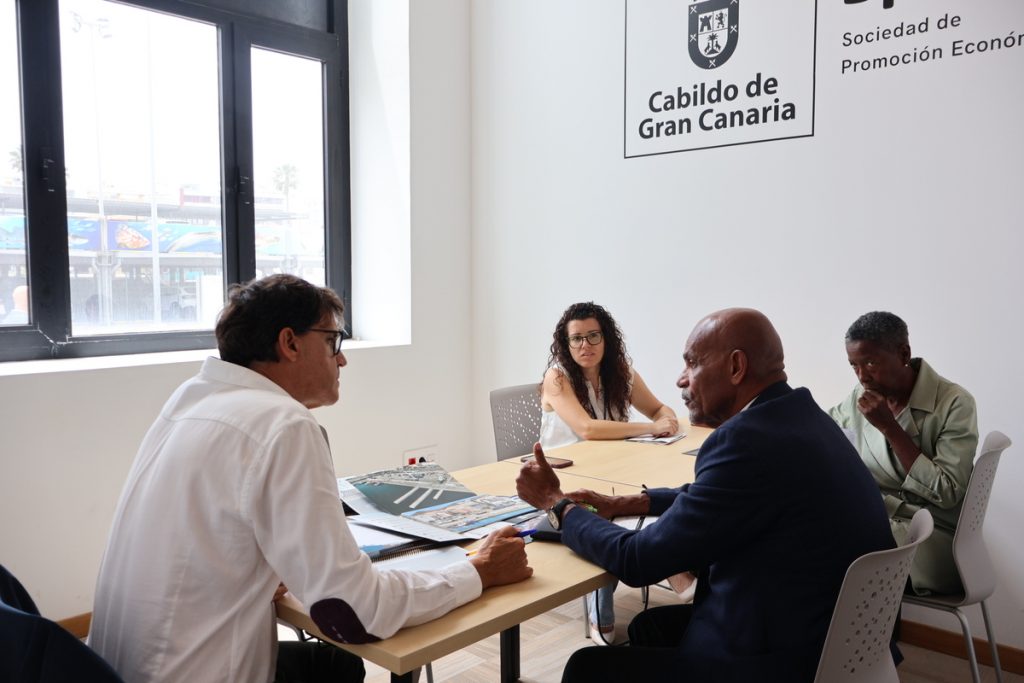
The discussions were shaped by a strong Martinique delegation, including representatives from Martinique Développement, the Martinique Maritime Cluster, the Territorial Collectivity of Martinique, the University of the Antilles, Bleu Caraïbes, La Pirogue Kalina, DIAJ and Femmes à la Barre, alongside blue economy specialists and research figures.
FIMAR context
The meeting formed part of the build-up to FIMAR 2026, which opens in Las Palmas de Gran Canaria on 22 May, 2026.
It also reflected the wider ambition shared by the two outermost regions: to turn Atlantic cooperation into practical projects, stronger networks and new opportunities for sustainable blue growth.