


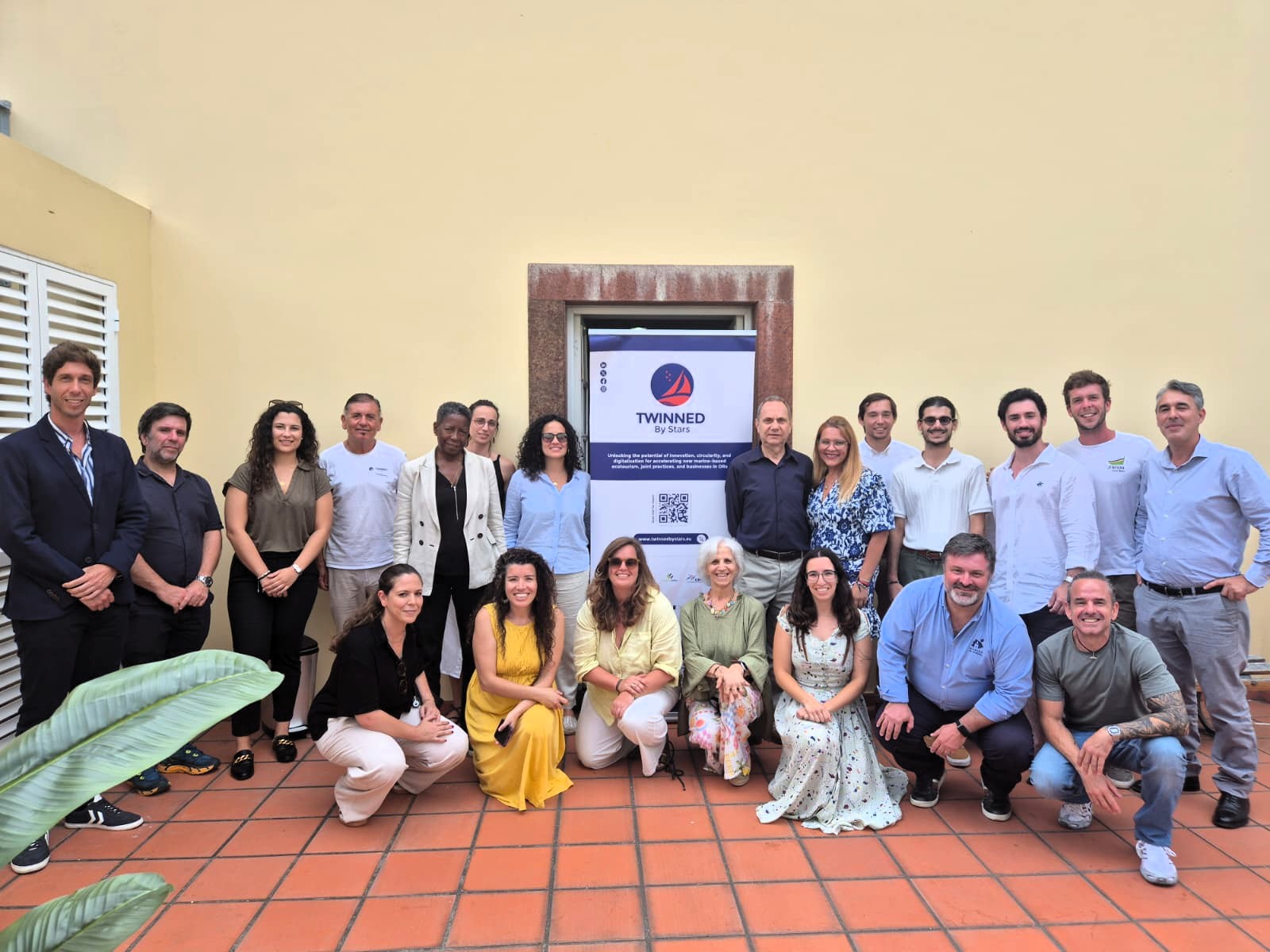
TWINNEDbySTARS marked the close of its final steering committee in Madeira from the 15th to the 16th of July, 2026, with a two-day programme that put the project’s results, pilot products and future cooperation opportunities in the spotlight.
The meeting brought together the consortium and Madeiran enterprises and stakeholders, underlining the project’s focus on maritime and coastal tourism SMEs, public authorities, universities, research centres, cluster organisations and other actors linked to the blue economy across the outermost regions.
Final review
The first day, held at the Commercial and Industrial Association of Funchal from the Chamber of Commerce and Industry of Madeira (ACIF-CCIM) headquarters in Funchal on 15 July, was devoted to the final review of the project and closure planning.
Partners went through the overall progress, remaining milestones and final deliverables, with updates on cooperation networks, capacity building, co-creation, management and dissemination.
The discussion also set out the final roadmap for the project, with a particular focus on the project’s final developments.
Products with Madeira
The afternoon session was the key moment for Madeira-based engagement, as the consortium presented and evaluated the products created with Madeiran enterprises and stakeholders.
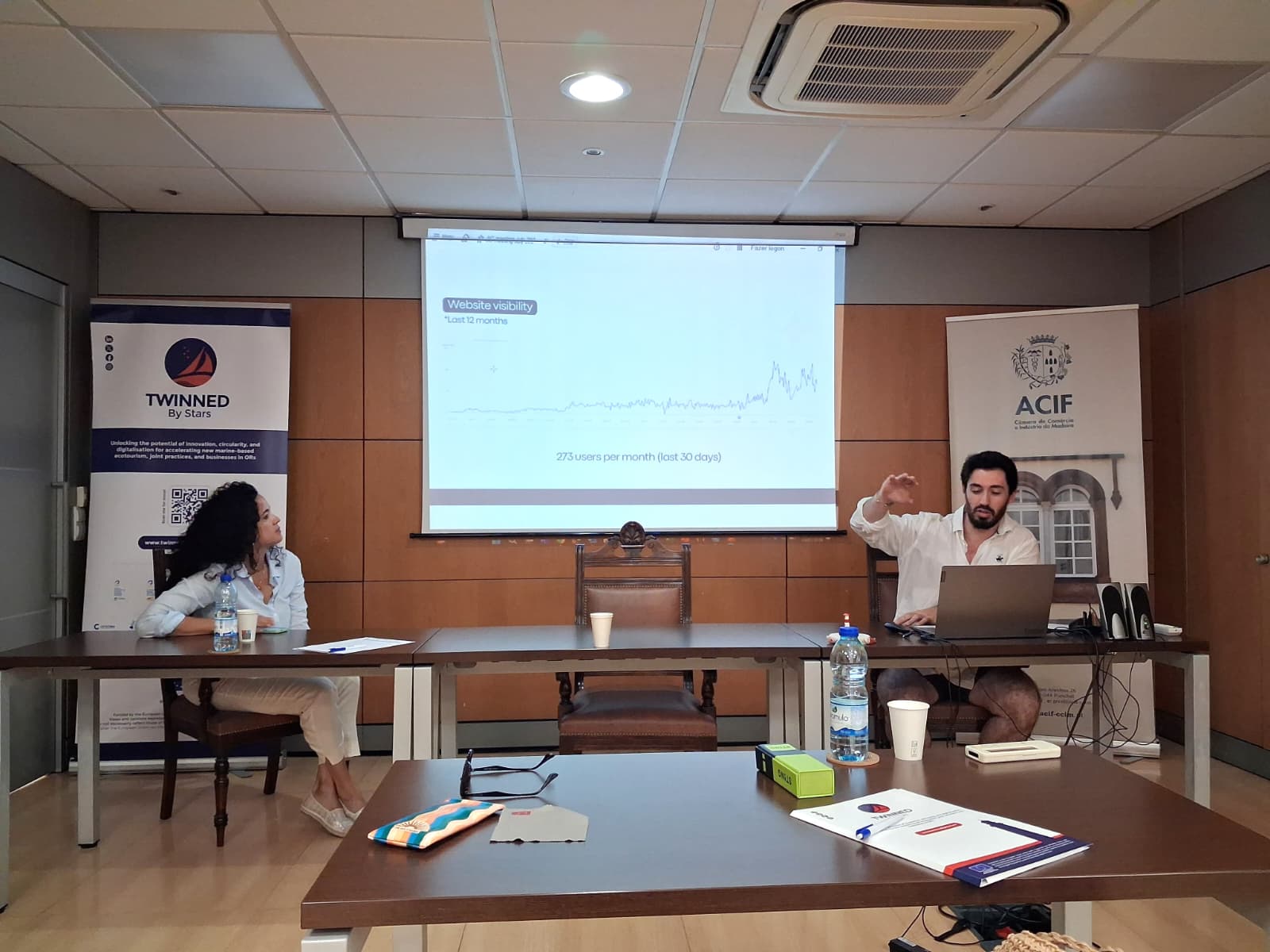
That session included a summary of project progress, the presentation of the two products created — Atlantic Onboard Internships (AOBI) and Atlantic Star Adventures (ASA); and a strategic co-creation panel on the future of Madeira’s astro and blue tourism.
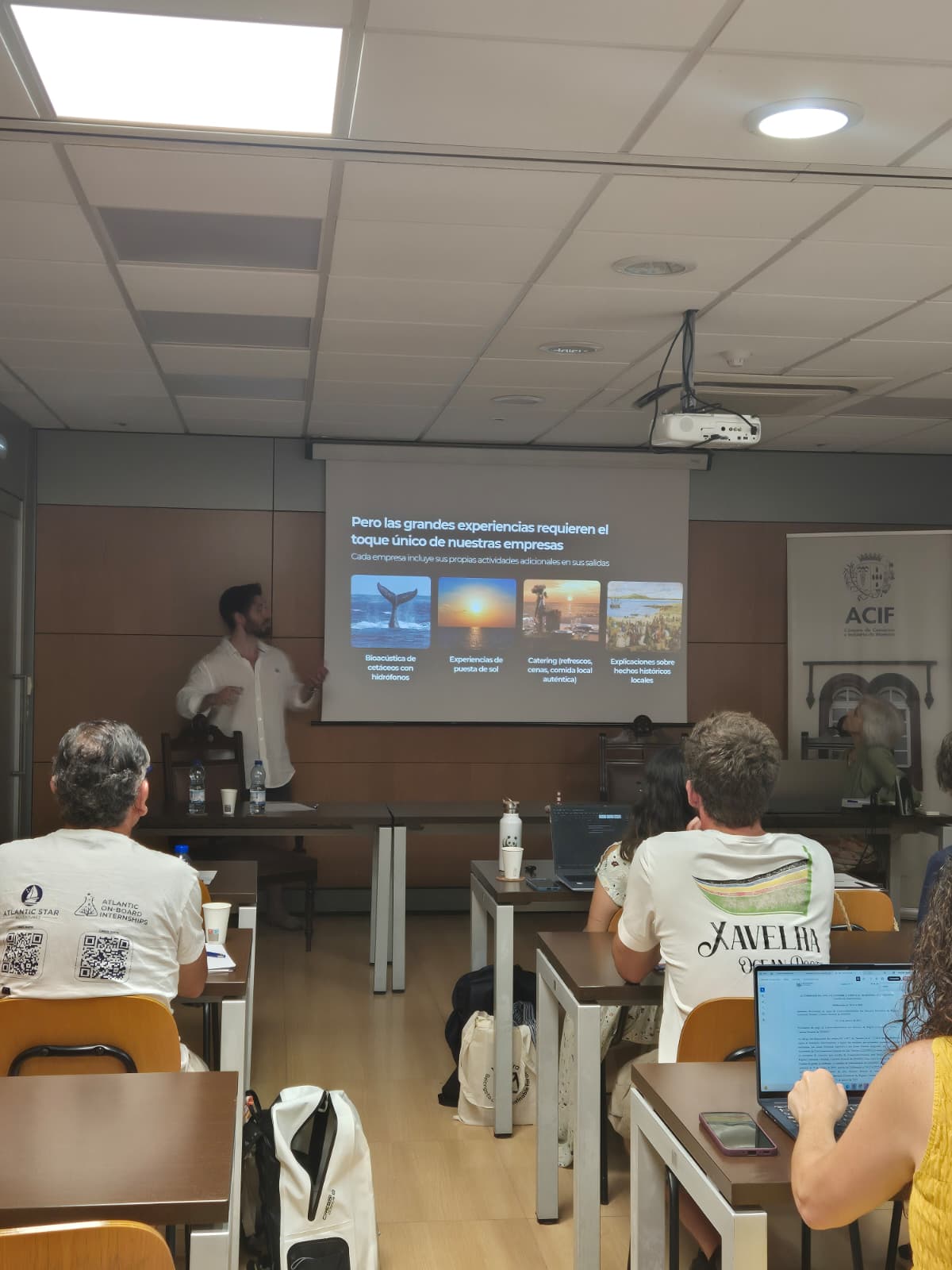
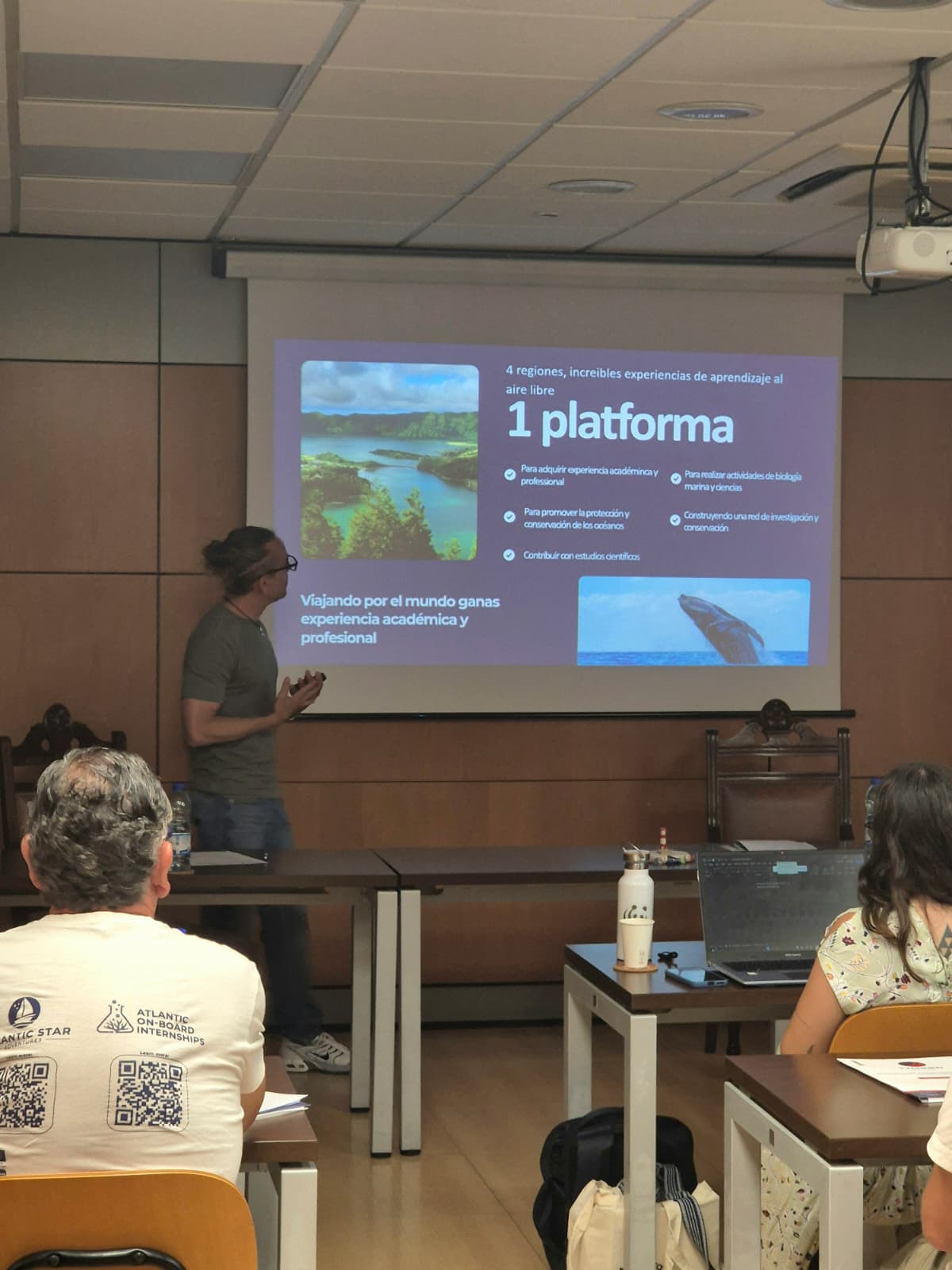
For TWINNEDbySTARS, the session was especially important because it linked project results directly with local business and stakeholder feedback, helping assess how the products can be transferred and sustained beyond the project.
Field experiences in the Outermost Regions
The second day moved from planning to place-based experience, with a technical maritime excursion along Madeira’s south coast and a further visit to the north of the island.
Participants explored volcanic landscapes, marine and coastal heritage, and sustainable tourism models, with a view to showing how science, tourism and local identity can work together in the outermost regions.
The programme aimed to strengthen the project’s broader objective of developing marine ecotourism products that are both locally rooted and adaptable across partner regions.
Project legacy
The Madeira meeting served as both a closing milestone and a demonstration of what the project has delivered: stronger cooperation networks, training and capacity building, co-created tourism products, and practical tools for future collaboration. It also offered a final space to show how AOBI and ASA can support the project’s longer-term legacy in marine tourism, learning and business cooperation.