


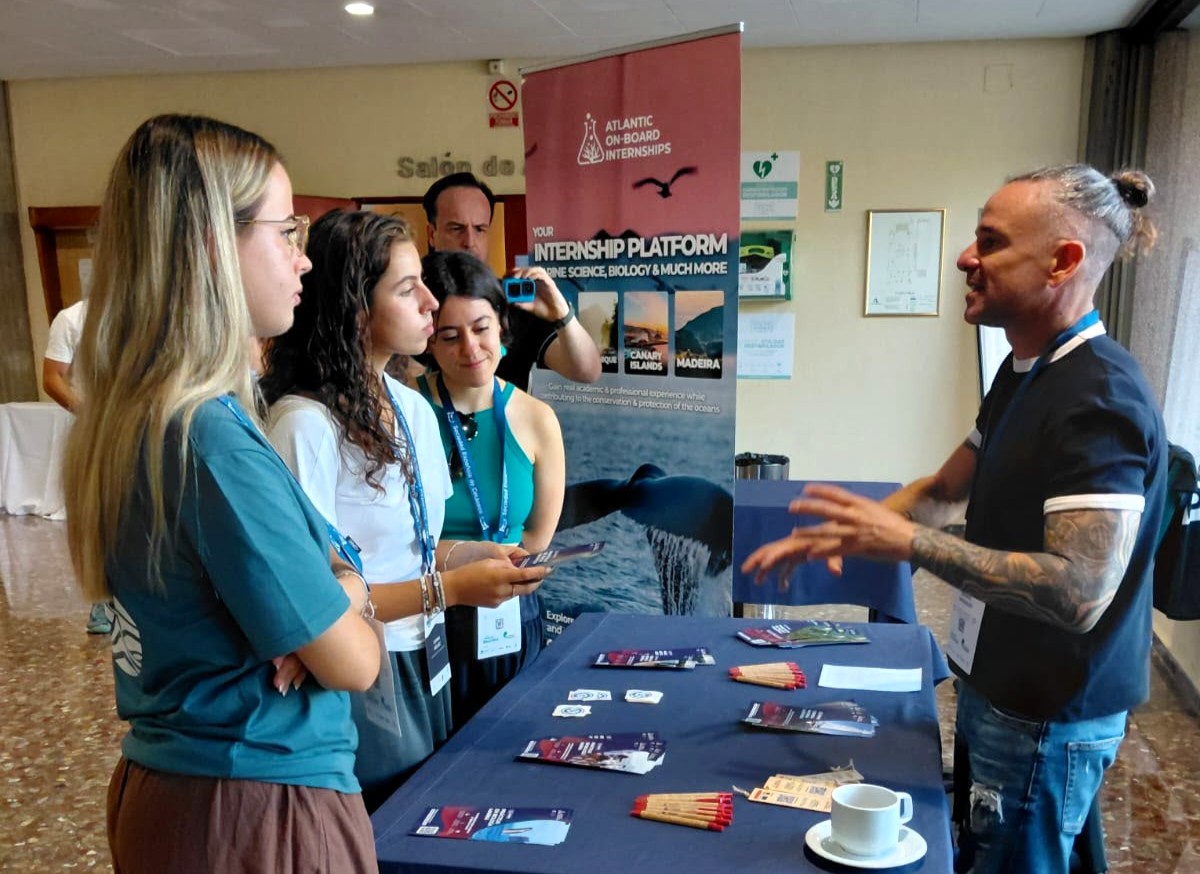
Biosean and Naturalist present research results and Atlantic Onboard Internships in Málaga
Marine tourism companies Biosean Whale Watching & Marine Science and Naturalist Science & Tourism presented the results of the TWINNEDbySTARS project at the 15th Congress of the Spanish Cetacean Society, highlighting how whale-watching can support both scientific knowledge and marine conservation.
Misael Morales Vargas of Biosean and Gisela Dionísio of Naturalist attended the congress in Málaga from 24 to 26 September as representatives of Atlantic On-board Internships (AOBI), a tourism product developed through the European TWINNEDbySTARS project.
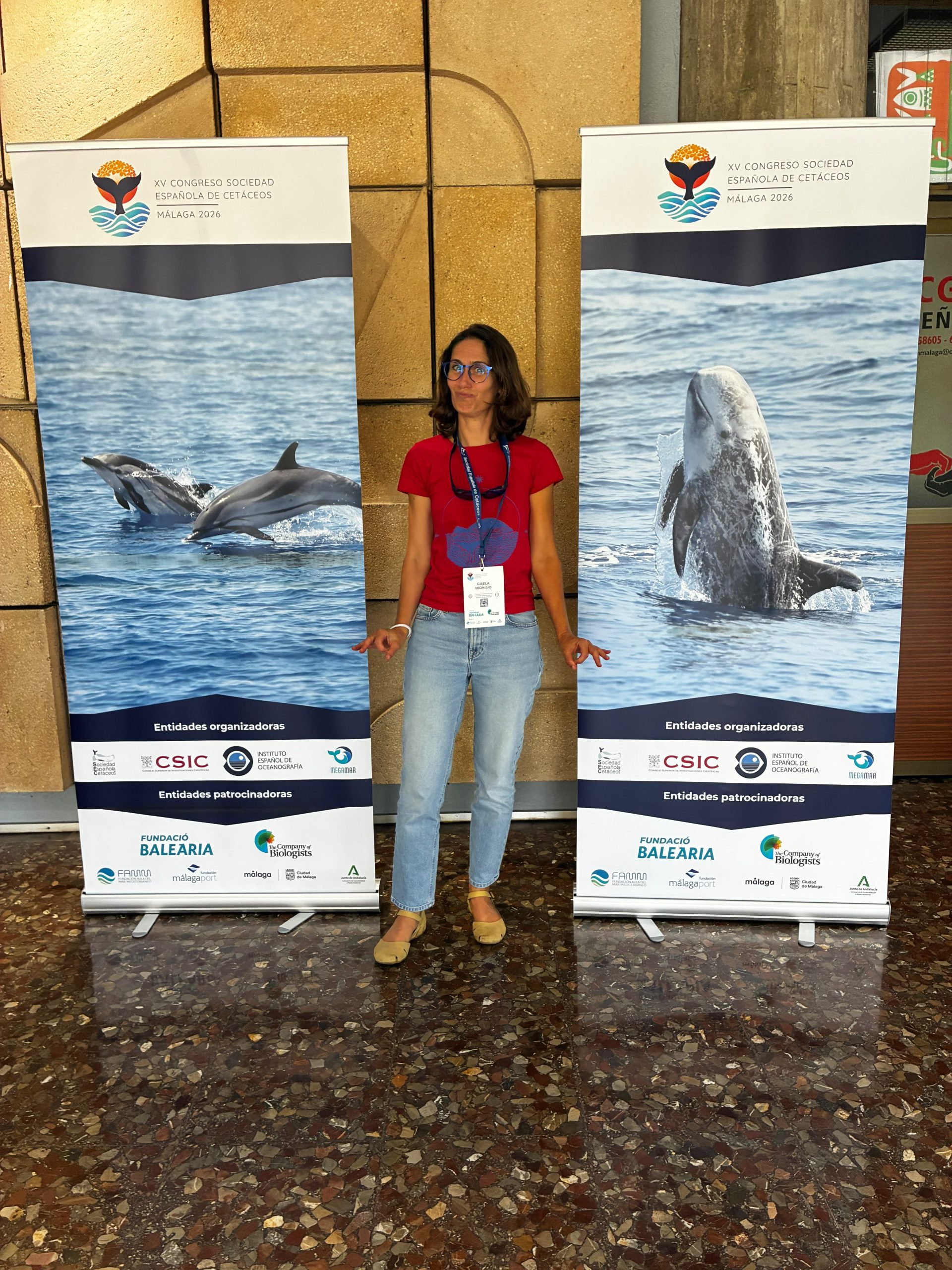
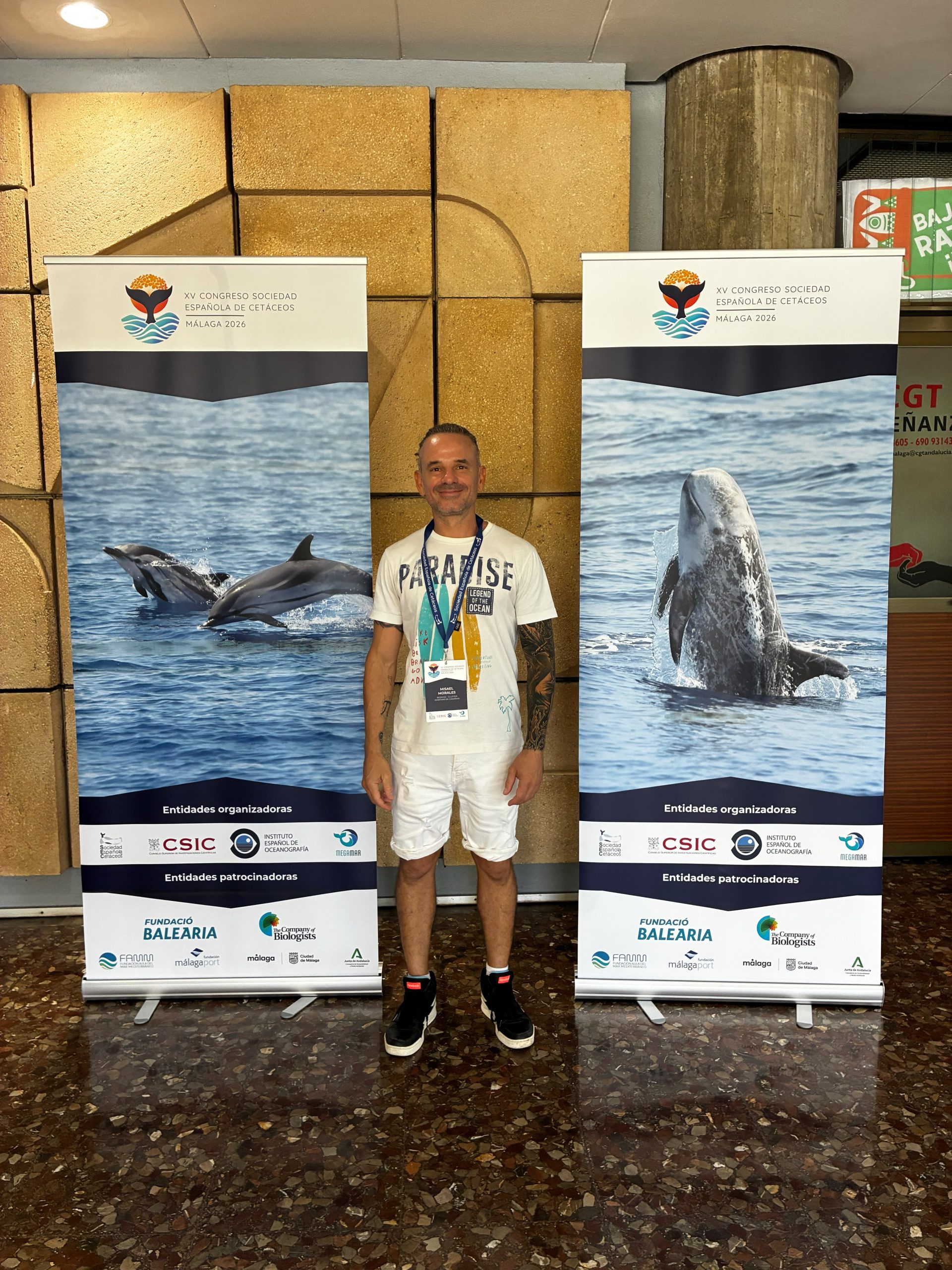
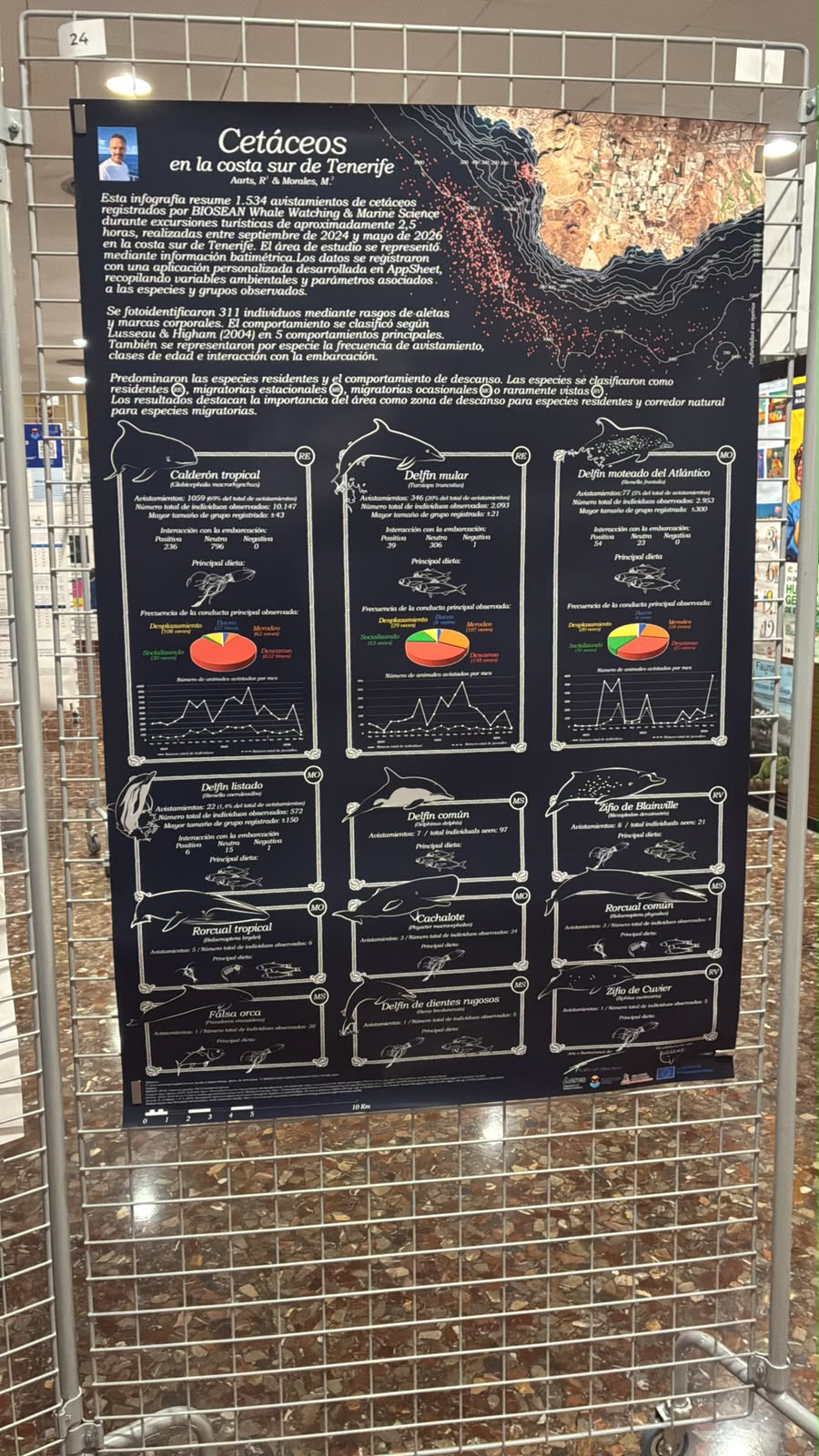
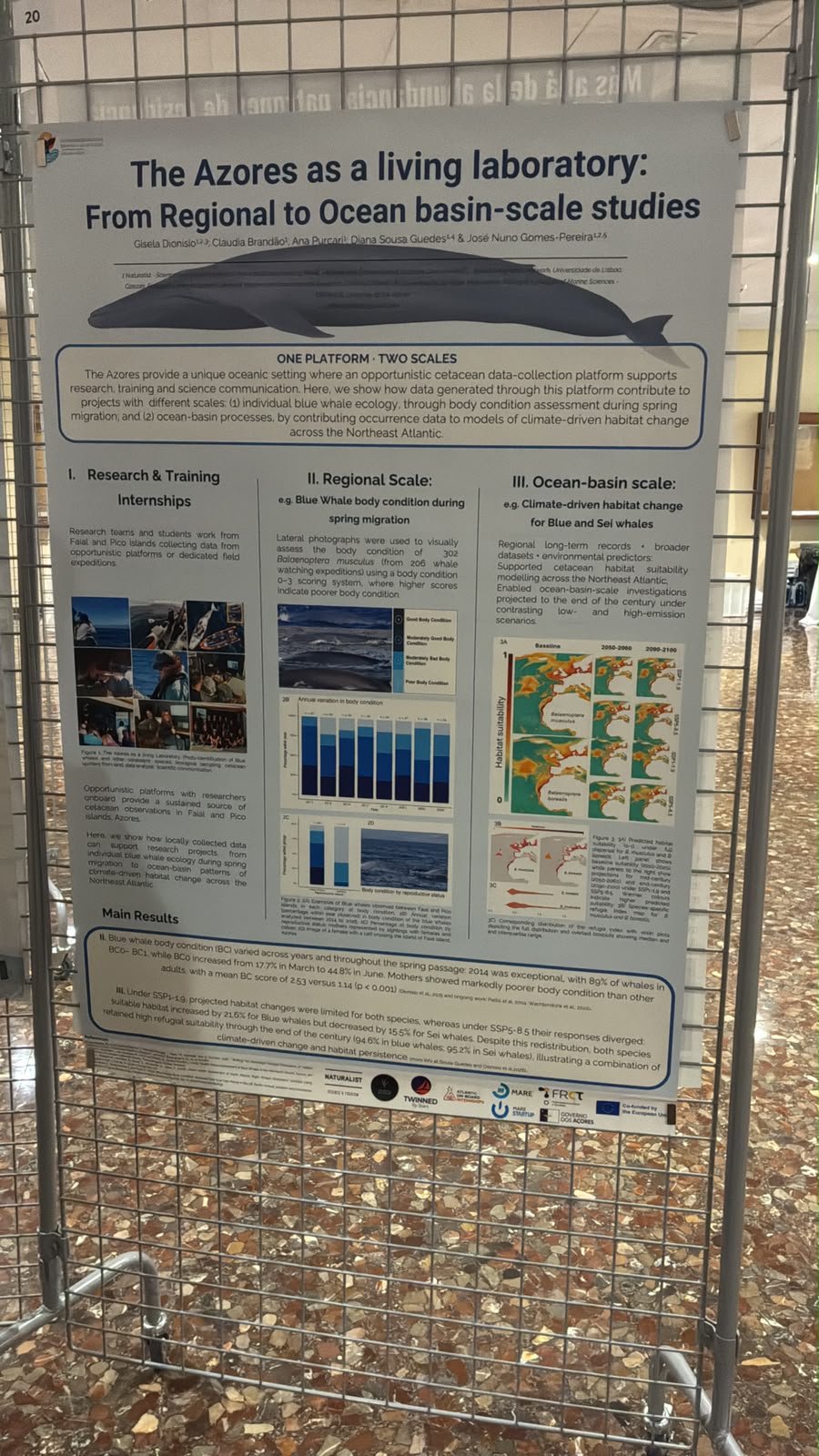
The two companies are presenting their work through two research posters, showing how tourism activities can be combined with scientific observation, data collection and environmental education. Their participation places the work of marine tourism operators alongside that of researchers, students, public authorities and conservation organisations.
Research on board
Biosean Whale Watching & Marine Science, based in the Canary Islands, Spain, combines cetacean watching with marine research and biological sampling. Naturalist Science & Tourism, operating in the Azores, brings researchers and marine biologists directly into whale-watching activities, using excursions to support the collection and interpretation of scientific data.
Their approach reflects a central idea behind AOBI: time spent at sea can become a meaningful learning experience in which participants develop practical knowledge while contributing to the study and protection of marine ecosystems.
The model gives students and interns the opportunity to work alongside professionals in the field, while allowing tourism businesses to share their knowledge and strengthen their links with research institutions. It also offers visitors a closer understanding of the species and habitats they encounter.
Presenting AOBI
During the three-day congress, Morales and Dionísio presented Atlantic On-board Internships to a specialist audience interested in cetacean research, conservation and training.
The AOBI platform connects marine tourism, academic learning and scientific work by offering practical placements on board tourism vessels. Participants can gain experience in activities such as species observation, environmental monitoring and the collection of marine data, while developing skills relevant to the blue economy.
A meeting point for marine science
Held at the Spanish Institute of Oceanography in Málaga, the SEC congress brought together researchers, professionals and students working on cetaceans, pinnipeds and marine turtles. Its programme includes scientific presentations, poster sessions, specialist workshops, round-table discussions and opportunities for collaboration.
The event also gave young scientists and students the chance to present their work and receive feedback from experts, while promoting wider public awareness of marine biodiversity and the pressures facing ocean ecosystems.
The participation of Biosean and Naturalist seek to showcase how the project’s outputs can connect businesses, research and education beyond the formal project activities. AOBI supports a model in which commercial experiences can help build knowledge, encourage responsible behaviour and contribute to the long-term protection of the ocean by bringing science into marine tourism.
A practical route to sustainability for the Outermost Regions
The project’s presence in Málaga also highlights the role of the Outermost Regions as living laboratories for marine research, sustainable tourism and innovation. The work presented by Biosean and Naturalist also highlights that responsible whale-watching is not limited to reducing the impact of tourism. It can also create opportunities for training, citizen science and collaboration with the scientific community.
Through AOBI, TWINNEDbySTARS is bringing those opportunities more visible and accessible, offering a practical route for students and early-career professionals to learn from the sea while contributing to its conservation.