

The hum of maritime innovation filled the halls of Messe Düsseldorf as the world’s largest yacht and watersports trade fair, Boot 2026, opened its doors to more than 200,000 visitors from 120 countries in Germany. Spanning nine days, from 17 to 25 January, the event represented a key opportunity for TWINNEDbySTARS to launch their new developed product among stakeholders.
This year, the fair’s Blue Innovation Dock, jointly organised by Boot Düsseldorf and the European Boating Industry (EBI), underscored the sector’s shift toward sustainability, digitalisation, and skills development. “It’s where policymakers, companies, NGOs, and academics converge to discuss the technologies shaping tomorrow’s nautical world,” said Álvaro Urdiales, Project & Policy Officer at the European Boating Industry. “We are proud to highlight EU-funded initiatives such as TWINNEDbySTARS, which prove that boating is a vital part of Europe’s broader tourism and innovation ecosystem.”
Atlantic regions strengthen maritime ties
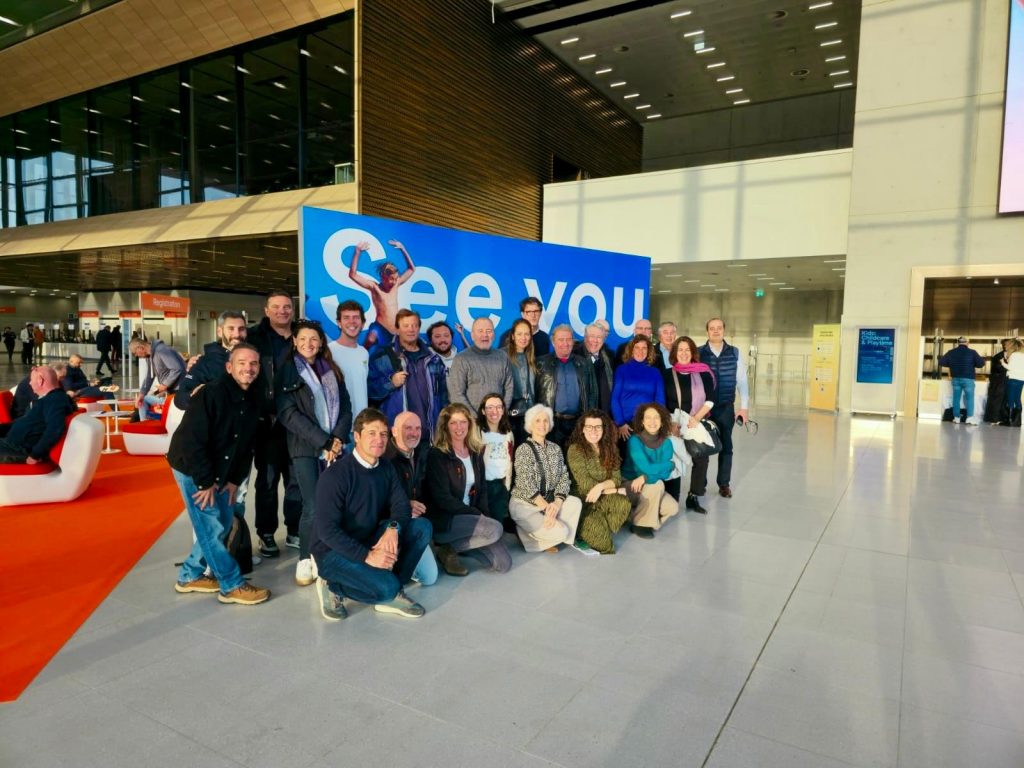
A TWINNEDBySTARS’ strong delegation from the Canary Islands, Azores, and Madeira joined forces at this year’s fair, supported by PROEXCA under the sister project A3MATLANTIC (Strengthening the sustainable growth and competitiveness of the SMEs that make up the productive fabric of the Blue Economy sectors in the Mid-Atlantic) to reinforce cooperation within the international boating industry. More than 25 representatives attended, uniting regional companies and research organisations under a common agenda of networking, R&D exchange, and business collaboration from January 19th to January 20th.
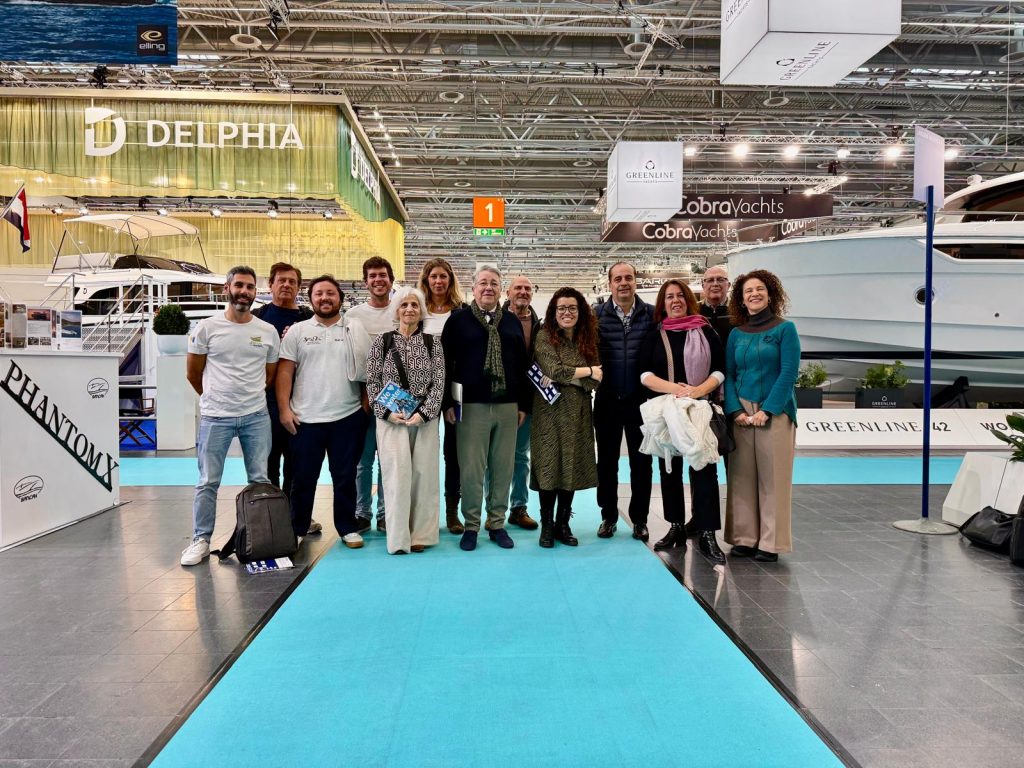
“The goal is clear,” said Elba Bueno, Manager of the Maritime Cluster of the Canary Islands (CMC). “As a maritime cluster and partner of the TWINNEDBySTARS Project, our work focuses on international promotion, helping our companies compete globally by showcasing their innovation and quality at key international events like Boot Düsseldorf, Europe’s leading nautical fair and in this particular case we’re thrilled to see the project promoting one of its most recent developments, the Atlantic On-Board Internships .”
The delegation coordinated institutional visits, attended key networking sessions, and held strategic meetings with both European and international stakeholders during their visit, further cementing the Atlantic islands’ role as a hub for maritime innovation and sustainability. Members of Consulta Europa and CMC engaged with Andrea Staicu, Head of Tourism Sector at the Directorate-General for Mobility and Transport (DG MOVE), strengthening dialogue on tourism and European cooperation while highlighting the role of the TWINNEDBySTARS project in the Outermost Regions.
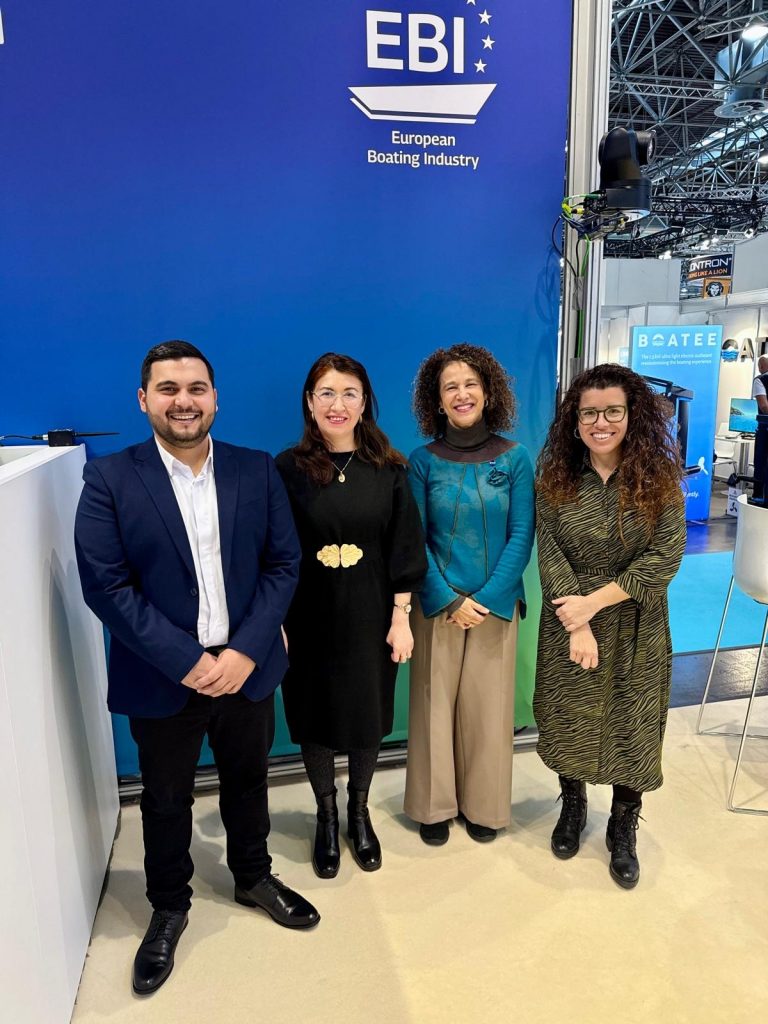
TWINNEDbySTARS spotlights ocean innovation
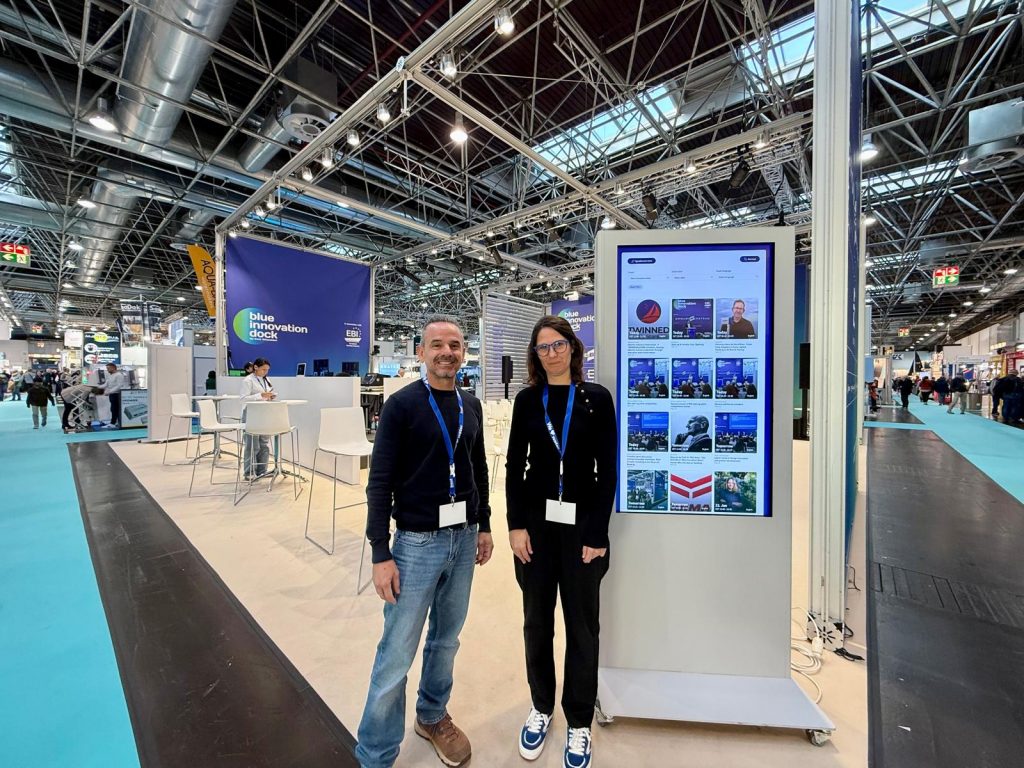
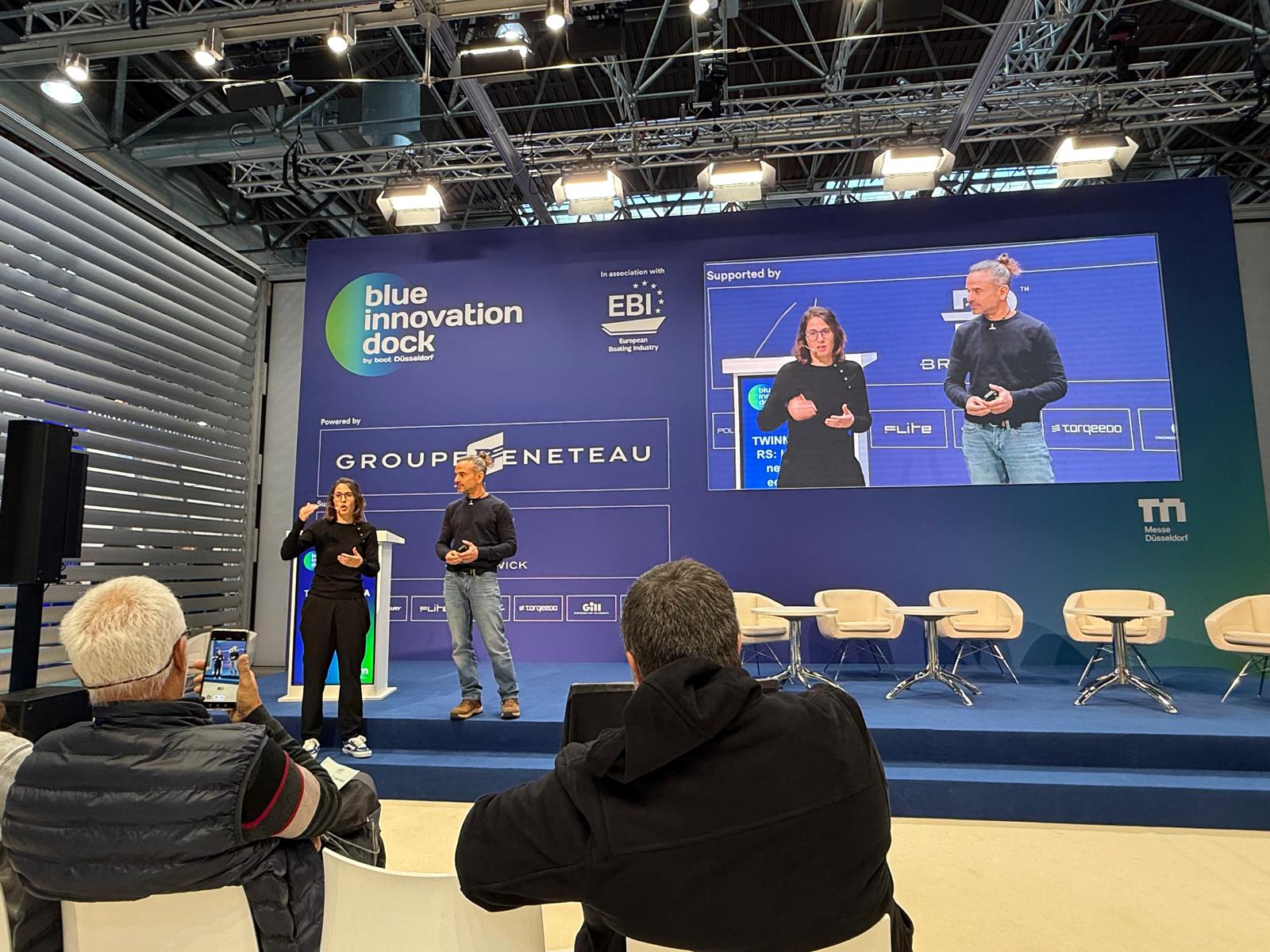
Among the fair’s highlights was the presentation on the 20th of January of one of the newly developed products by the TWINNEDbySTARS Project, co-funded by the European Climate, Infrastructure and Environment Executive Agency (CINEA). Featured under the Blue Innovation Dock on January 20, the initiative unveiled its Atlantic On-Board Internships — immersive training programmes blending marine science, sailing, and sustainability across the Azores, Madeira, the Canary Islands, and Martinique.
The internships allow students to live and work at sea, collecting oceanographic data, learning navigation, and taking part in conservation efforts. “It’s an initiative that brings science, education, and tourism together,” said Gisela Dionísio of the Atlantic Naturalist Association, alongside Misael Morales, CEO of BIOSEAN Ambiente Marino S.L. Their joint presentation, titled “Launching New Marine Ecotourism Offerings in the Atlantic,” illustrated how small enterprises can advance sustainable tourism by integrating real marine research into whale watching and marine education.
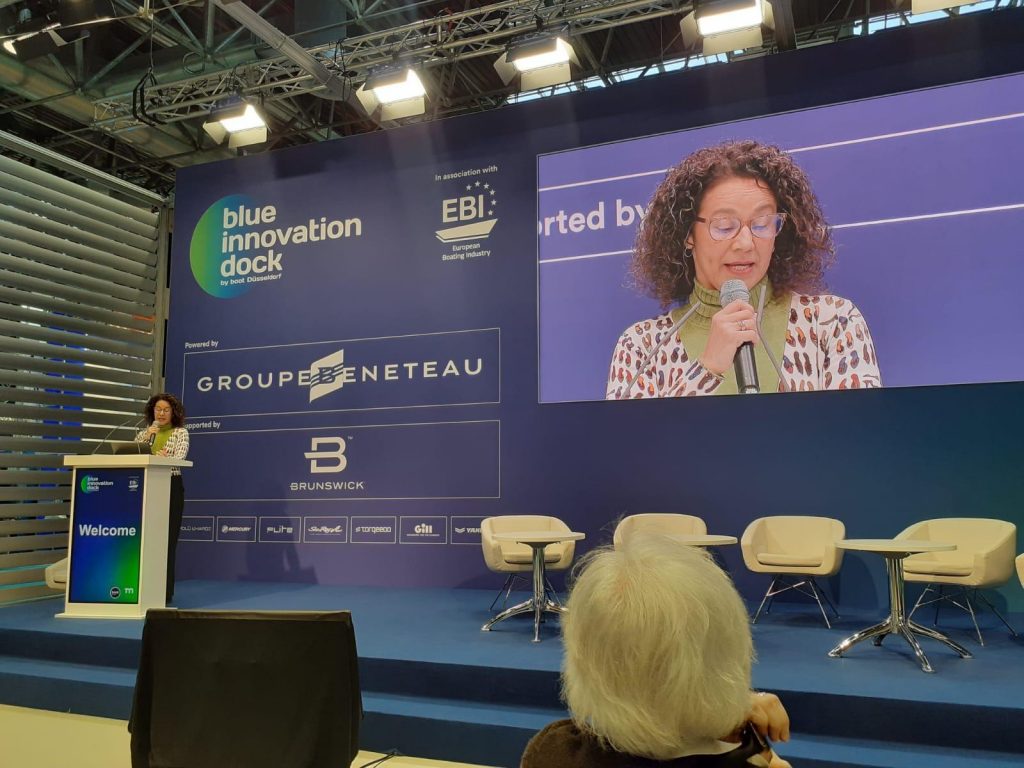
Elba Bueno, opened the session by welcoming the audience with excitement. During the presentation, Morales explained how the platform already unites companies from the Azores, Madeira, Martinique, and the Canary Islands, each offering specialised internship experiences in fields such as marine biology, sailing, diving, and ocean conservation. “We’ve already signed agreements with partners across these regions,” he said. “Our goal is to turn travel into an educational and scientific experience, allowing students and nature enthusiasts not merely to observe the sea but to contribute to its study and protection.”
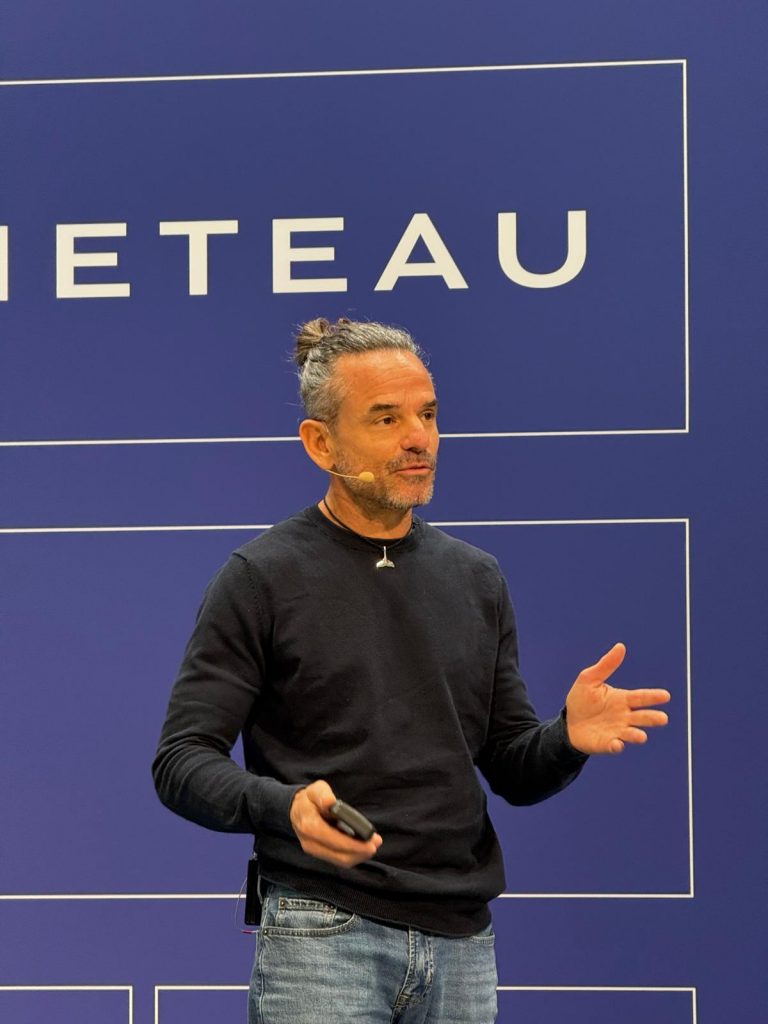
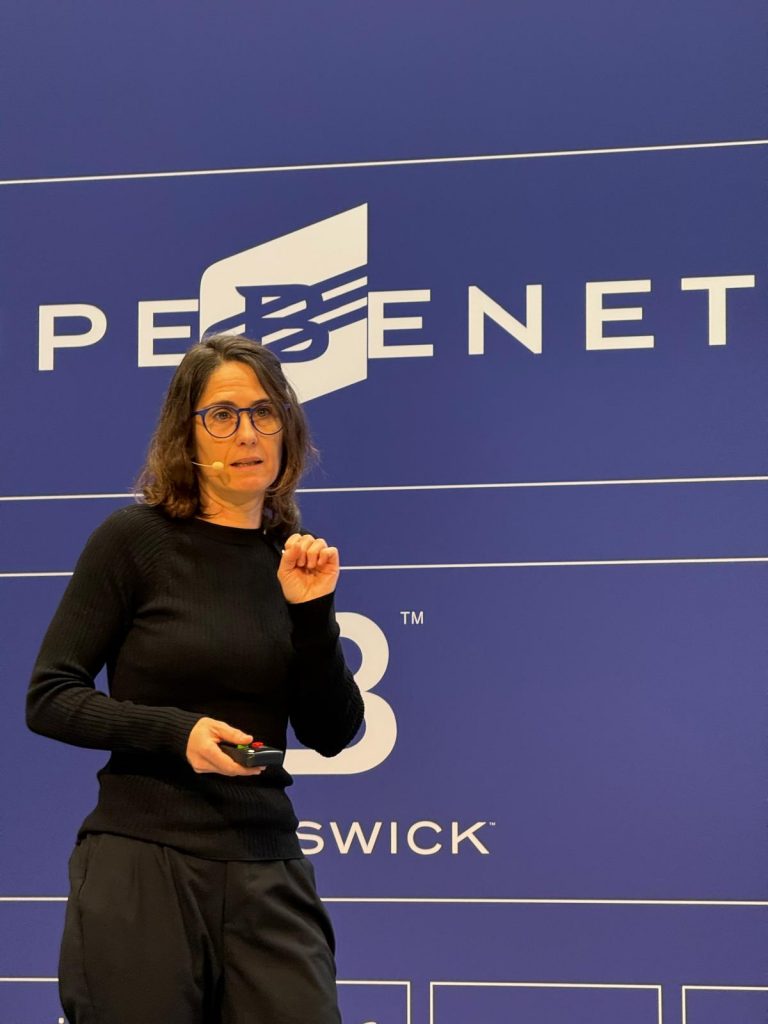
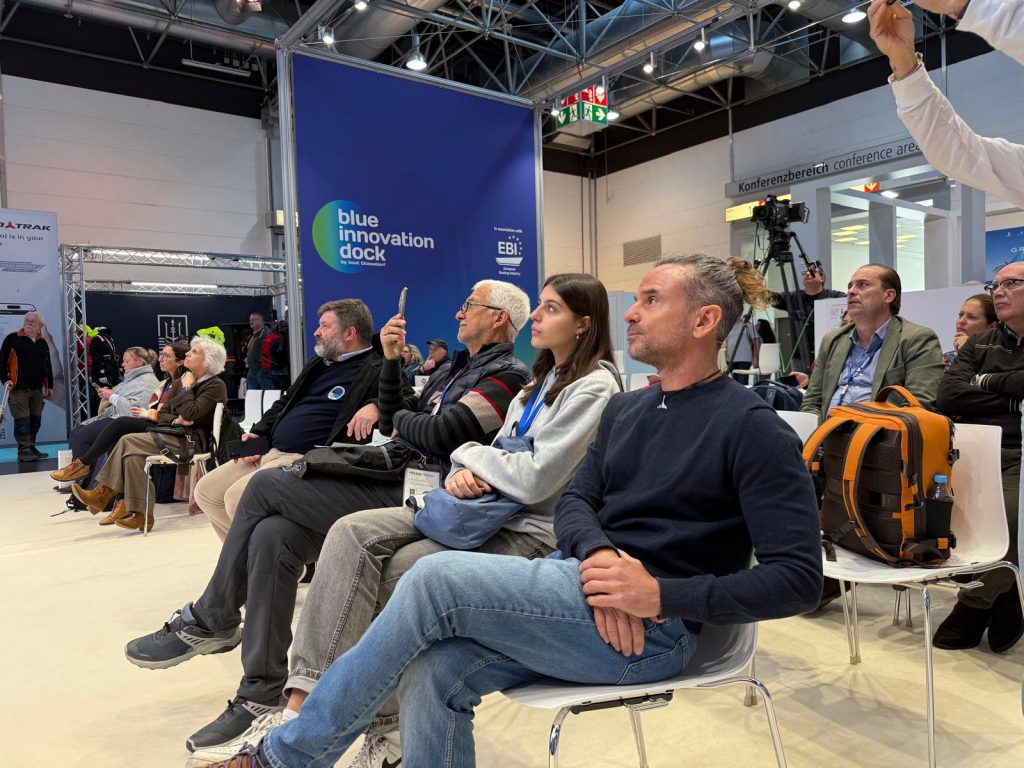
Gisela Dionísio described how the Atlantic On-Board Internships are designed to respond to growing interest among young people and universities for field-based marine learning. “Students want to apply theory in the real world,” she noted. “They can collect data, assist in research, even use their findings for academic projects — all while sailing, diving, and exploring diverse ecosystems.” Morales also emphasised that the platform is not limited to whale monitoring but extends to seagrass tracking, underwater research with diving companies, and navigation training for recreational boaters. “The possibilities are huge,” he added. “We’re creating a citizen science network that connects tourism, research, and conservation in a meaningful way.”
Reflecting on the experience at Boot 2026, Misael expressed enthusiasm: “It’s been a fantastic journey,” he said. “We’ve been creating a strong network within the maritime sector, sharing experiences, and learning a great deal about where the industry is heading.”
Dionísio offered a more philosophical perspective “our capital is nature,” she said. “It’s inspiring to see how science and tourism are coming together here. We need people to engage more deeply with the environment — our future truly depends on it.”
Discussing the future of European boatbuilding
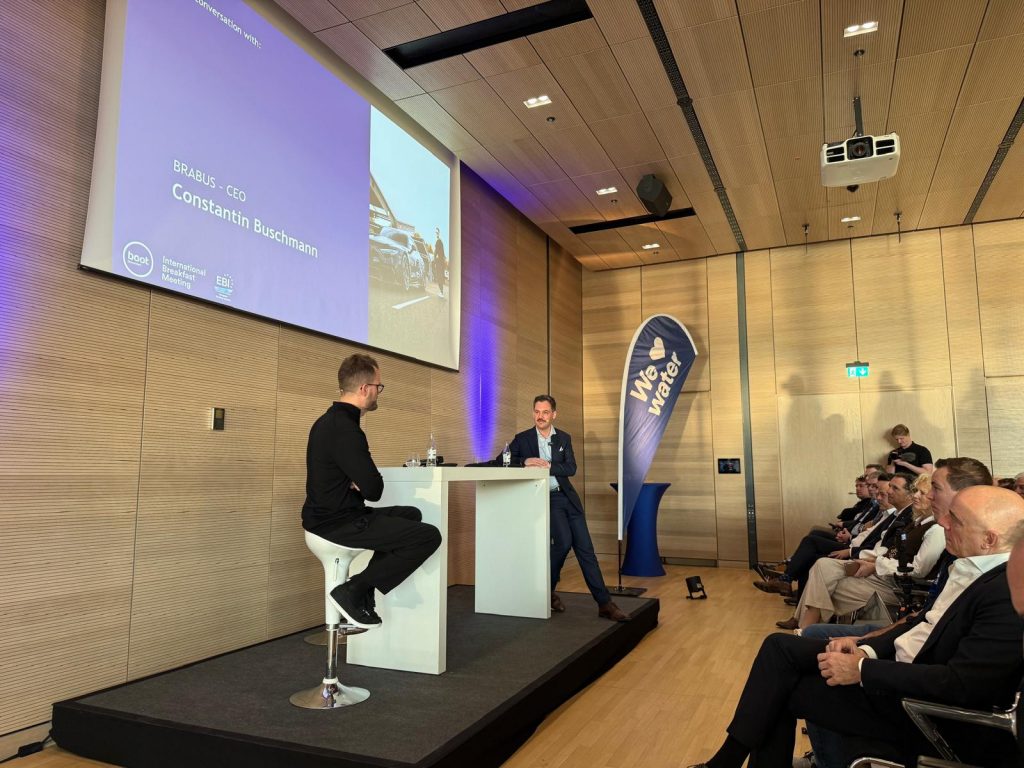
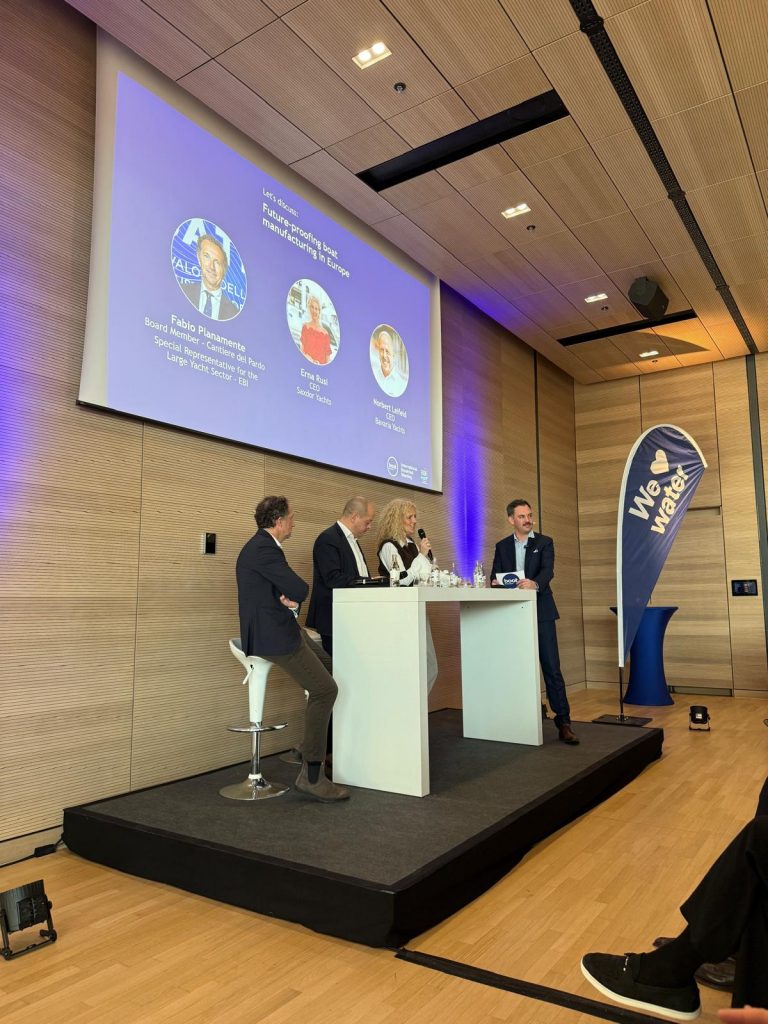
Earlier that morning, maritime leaders gathered for the 11th International Breakfast Meeting, hosted by the EBI. The session, titled “Future-Proofing Boat Manufacturing in Europe,” combined market intelligence and strategic debate, and was opened by Petros Michelidakis, Director of boot Düsseldorf, and Robert Marx, President of the EBI. It also saw the unveiling of the EBI Economic Index 2026 by Philip Easthill, offering a fresh snapshot of market trends and policy insights in the European marine sector.
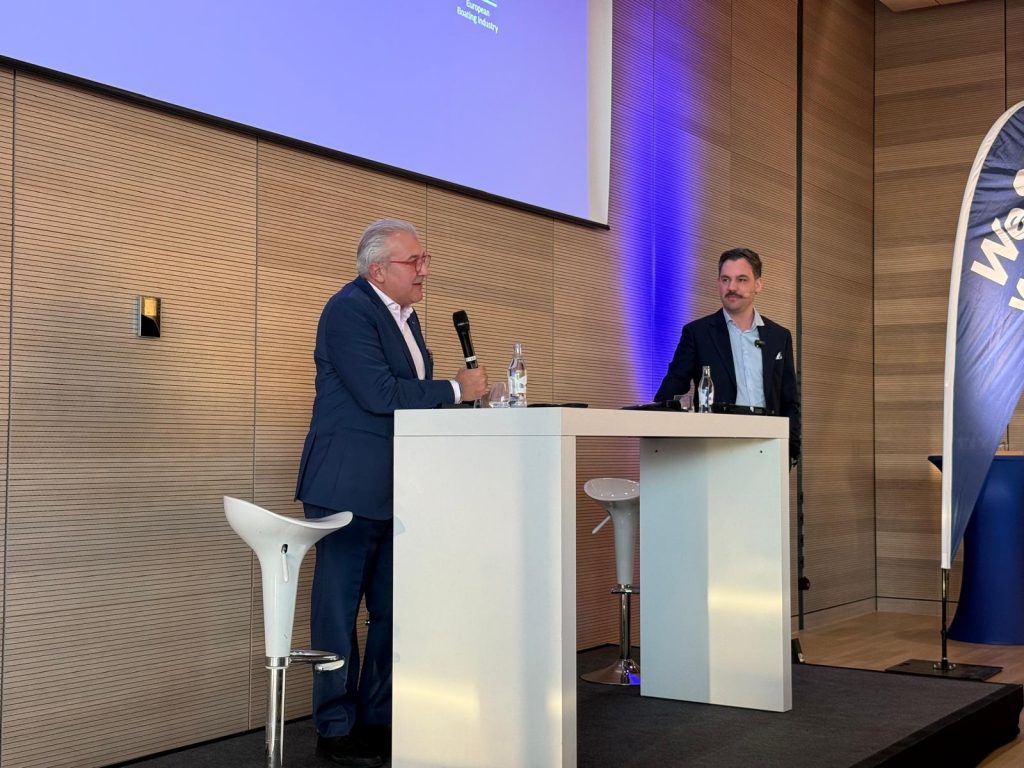
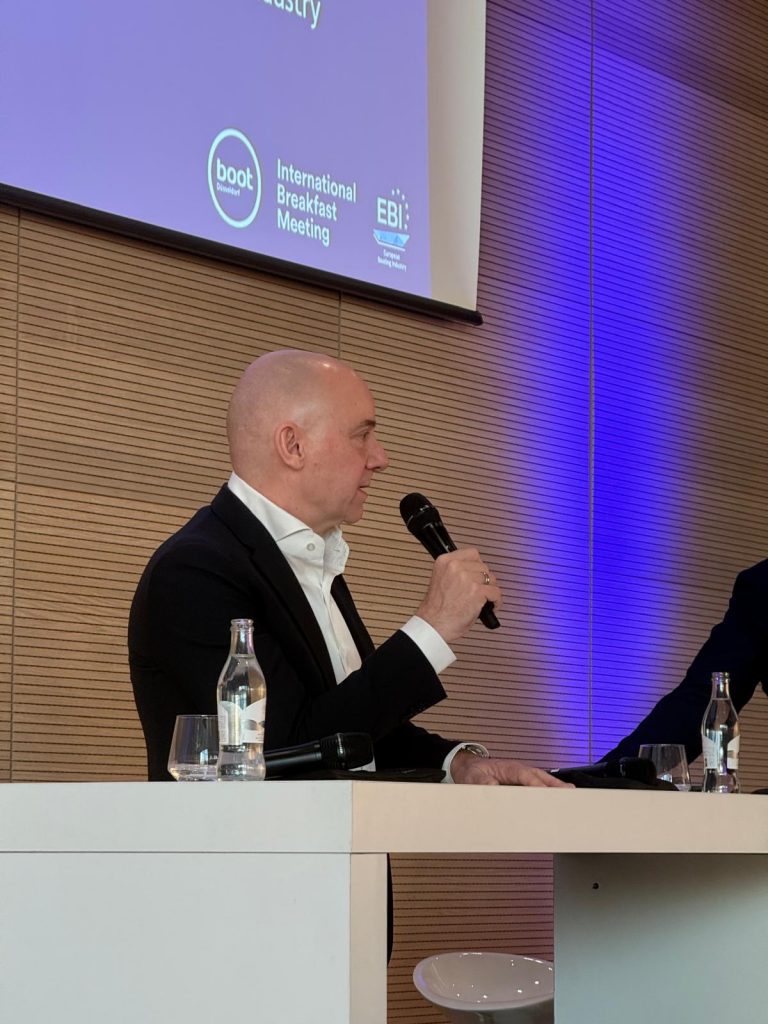
Moderated by Easthill, the discussion brought together industry leaders including Norbert Leifeld (Bavaria Yachts), Fabio Planamente (Cantiere del Pardo), and Erna Rusi (Saxdor Yachts), along with Constantin Buschmann (BRABUS), who added a luxury and design perspective to the conversation. Their dialogue underlined a shared message: that ensuring a skilled workforce, promoting international recognition of maritime qualifications, and fostering stable, year-round employment will be key to sustaining the industry’s growth through the green transition.
From luxury vessels to blue economy ventures, Boot Düsseldorf 2026 reaffirmed its reputation as the beating heart of the global boating industry — a place where innovation meets collaboration, and where the Atlantic regions’ voice in sustainable marine tourism resonates on the world stage.